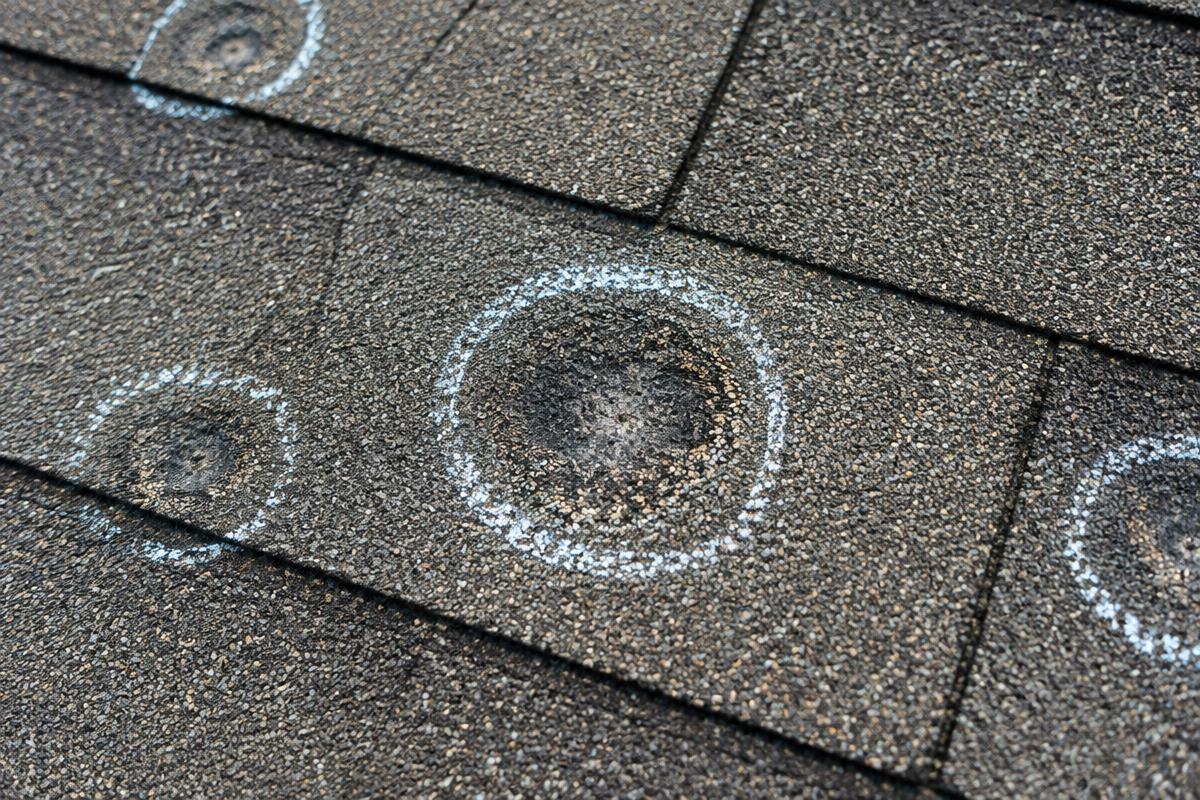
When a replacement claim comes up
Insurers usually look at whether storm damage is spread widely enough, and whether a repair can be done with matching materials. Policy wording, roof age, and coverage type (actual cash value vs. replacement cost) all affect the outcome.
The usual steps
The order can vary by insurer.
- Document damage with dated photos and a storm roof inspection
- File the claim with your insurer
- Meet the adjuster; ask the roofer to attend if you want
- Review the written scope of loss line by line
- Pay your deductible as your policy requires
- Schedule the replacement and keep all invoices
What no one can promise you
No roofer or referral service can guarantee a claim will be approved or that a full replacement will be covered. Be wary of anyone who promises a free roof or offers to cover your deductible; that can be illegal and puts your claim at risk.
Code items and upgrades
Some policies pay for items needed to meet current building code, and some do not. If you want an upgrade, like a better shingle, that cost is usually yours.
How this differs from the claim itself
Filing and working through a claim is one phase; this page covers what generally happens once a replacement has actually been approved and it is time to schedule the work. For the filing and adjuster steps, see the roof insurance claim process.
Matching the approved scope
The insurer's scope of loss lists the materials and work they agreed to pay for, such as shingle type, underlayment, flashing, and ventilation components. Before work starts, it is worth confirming your contractor's estimate matches that scope, or clearly explains any differences. Mismatches between what was approved and what gets installed are a common source of confusion later.
Code-required items
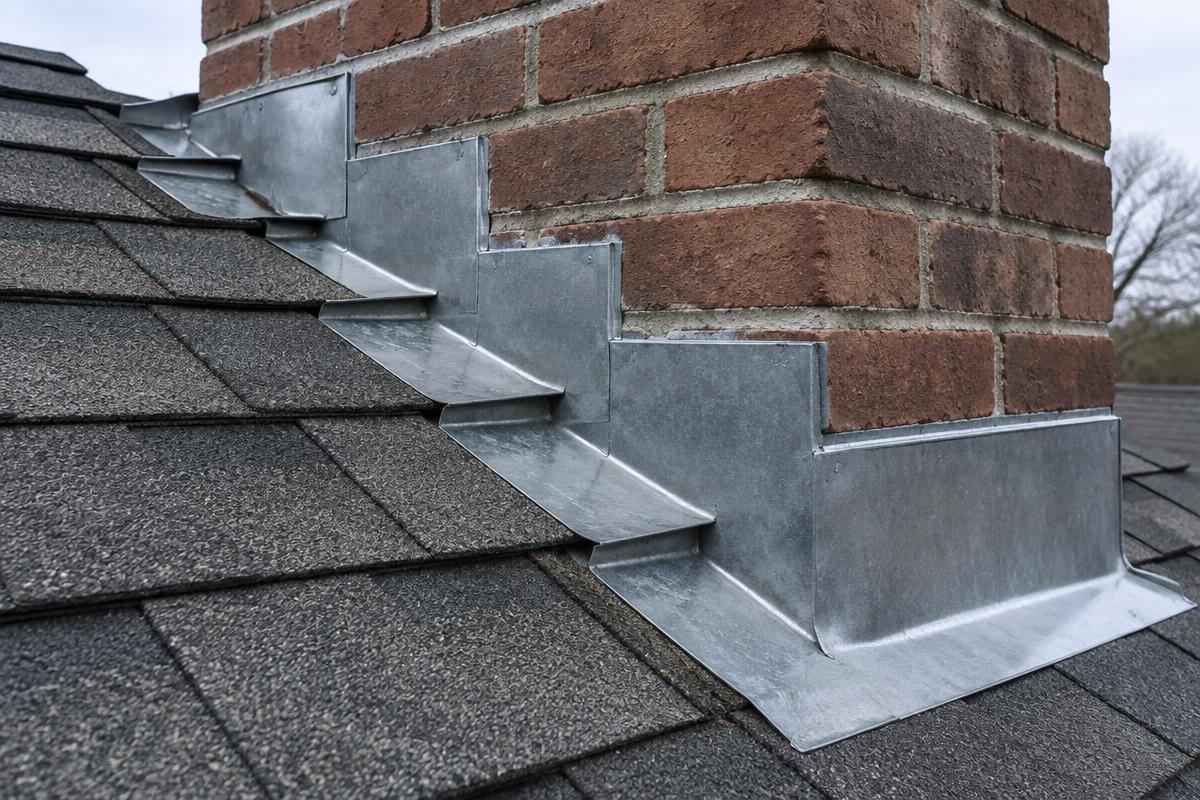
Building codes can require certain upgrades during a reroof that were not present on the original roof, such as additional drip edge, ice and water membrane in valleys, or updated ventilation. Some insurance policies include coverage for code-required items, often under a specific endorsement; others do not. Whether yours does is a question for your insurer, not a guarantee this site can make.
Paying your deductible
Your deductible is due according to your policy terms, generally paid to your contractor as part of the project cost since the insurer's payment to you is reduced by that amount. It should be a visible line item, not something a contractor quietly absorbs or offers to waive. Waiving a deductible can be considered insurance fraud in some situations.
Actual cash value and recoverable depreciation
Many policies pay in two parts: an initial actual cash value (ACV) payment, which accounts for depreciation based on your roof's age and condition, and a second recoverable depreciation payment released after the work is completed and documented. Whether your policy works this way, and how the second payment is requested, depends entirely on your coverage. Ask your insurer directly how your payout is structured.
What is generally not covered
Upgrades beyond matching your prior roof, such as moving from a standard shingle to a premium architectural shingle, or adding features that were not part of the original scope, are typically an out-of-pocket cost. The same is often true for cosmetic preferences that go beyond what code requires or what the adjuster documented as damaged.
Scheduling the work
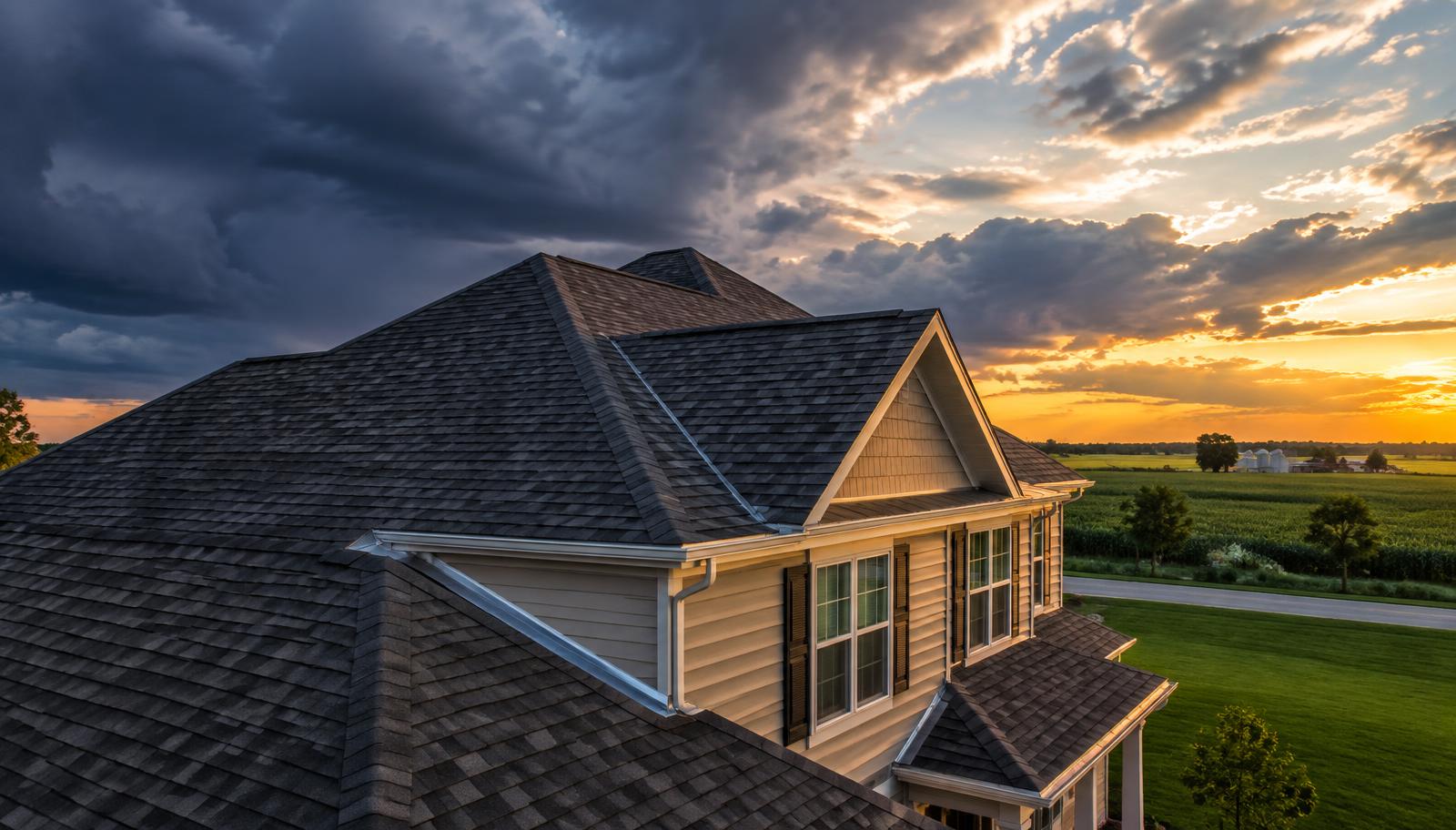
Once a scope and payment structure are settled, scheduling generally follows the normal steps of a reroof: material order, tear-off, decking inspection and repair, underlayment, new roofing material, flashing, ventilation, cleanup, and a final walkthrough. Weather can affect timing; central Illinois freeze-thaw cycles, heavy spring rain, and summer storm season can all push a schedule, especially after a widespread regional event when many homeowners are rebuilding at once.
Decking and the supplement process during the tear-off
It is common for a contractor to find additional damage once old shingles come off, such as rotted or soft decking that was not visible during the original adjuster visit. When this happens, the usual step is to document it with photos and submit a supplement request to the insurer for review before replacing that decking. This can add time to a project and is normal, not a sign something went wrong.
Keeping records for the final payment
If your policy includes recoverable depreciation, insurers generally want proof the work is complete before releasing that final payment. Keep your signed contract, final invoice, and any completion photos your contractor provides.
Final walkthrough
Before closing out the project, walk the yard and roofline with your contractor if possible, check gutters and the ground for stray nails or debris, and confirm ridge lines, flashing, and vents look complete. A roofing warranty explanation at this stage is also worth asking for, separate from anything related to the insurance claim.
How weather can affect an approved replacement schedule
Even after a claim is fully approved, central Illinois weather can still shape when work actually happens. Contractors generally avoid tearing off a roof ahead of a forecasted storm, and winter cold can limit how well some sealants and adhesives cure. Heavy spring rain or a run of severe weather can also push back scheduling for everyone in the area, not just one homeowner. None of this affects your approval, but it can affect your start date.
What to ask your contractor before work begins
A few questions up front can prevent confusion later: does the written estimate match the insurer's scope line by line, is the deductible clearly listed, and who is responsible for submitting any supplement if hidden damage turns up during tear-off. Getting these answers in writing before the crew arrives is worth the extra few minutes.
Common questions
Should I get a roofer inspection before calling my insurer?
Many homeowners do, so they know whether there is real storm damage before opening a claim. It is your choice.
Do I have to use the roofer my insurer suggests?
In most cases you can choose your own contractor. Check your policy.
Can I use the insurance payout for something other than roof work?
That depends on your policy and insurer. Many policies tie payment to completing the covered repair, especially the depreciation portion. Ask your insurer.
What if my contractor's estimate is higher than the insurer's scope?
Differences happen when pricing, material choices, or measurements vary. Your contractor can submit a supplement explaining the difference, but the insurer decides whether to approve it.
Do I need a permit for an insurance-approved roof replacement?
Permit requirements vary by local jurisdiction. Check with your local building department rather than assuming the insurance approval covers permitting.
Will my new roof look exactly like my old one?
Contractors generally try to match shingle color and style as closely as current products allow, but exact discontinued matches are not always possible.
What happens to the old shingles and debris?
Tear-off debris is typically hauled away by the contractor as part of a standard reroof; confirm this is included in your specific estimate.
Can I add a skylight or vent while the roof is already open?
You can ask, but anything beyond the insurance-approved scope is generally an added cost you would pay directly.
How do I know the replacement is really finished?
A final walkthrough with your contractor, checking the roof, gutters, and yard, is a reasonable way to confirm cleanup and installation are complete before signing off.
Get a Roof Replacement Walkthrough
Describe it in the form and a local roofing partner will help you sort it out.