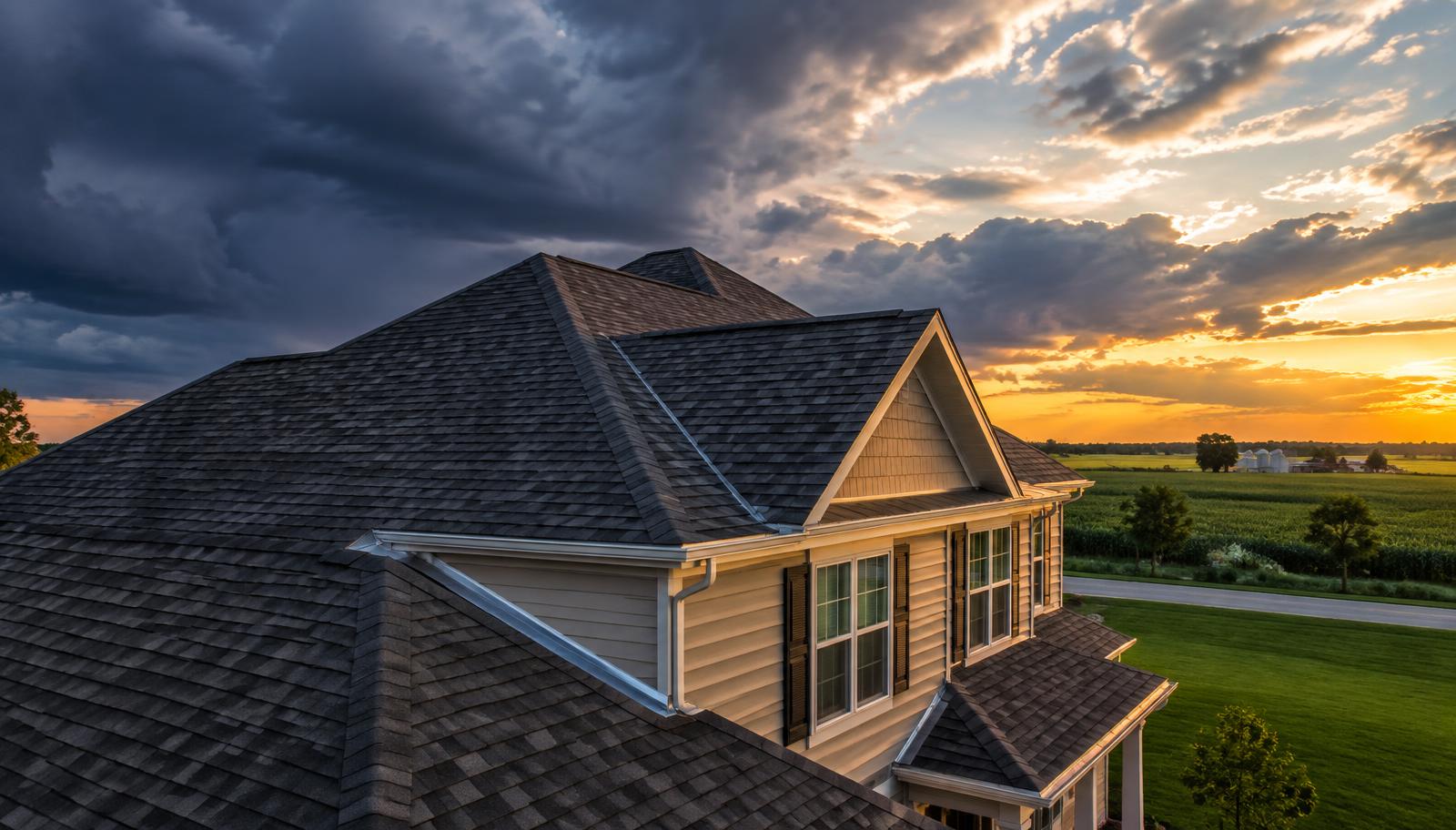
What a full replacement includes
A complete quote should list each of these items, not lump them together:
- Tear-off of existing layers and disposal
- Decking inspection and per-sheet replacement price
- Ice and water shield at eaves and valleys
- Synthetic underlayment
- New drip edge, flashing, and pipe boots
- Ridge and intake ventilation
- Shingles or metal panels and the manufacturer warranty
Signs you are due
Curling or cracked shingles, bald spots with lost granules, repeat leaks in different places, and daylight in the attic all point toward replacement rather than another patch.
How long it takes
Most single-family homes are torn off and re-roofed in one to three days, weather permitting. Steep pitches, multiple layers, and rotted decking add time.
The replacement process step by step
A full replacement generally moves through contact, an on-roof and attic inspection, a review of findings, material options, a written estimate, scheduling, the tear-off and install, cleanup, and a final walkthrough. Knowing the order helps you plan around the work and compare how different roofers describe their process.
- Contact and a description of your goals and concerns
- Inspection of the roof, attic, and decking condition
- Findings shared in plain terms with photos
- Material options reviewed, from architectural shingles to metal
- Written estimate listing each line item separately
- Scheduling around weather and material delivery
- Tear-off, decking repair, and new roof install
- Site cleanup, including a magnetic sweep for nails
- Final walkthrough and any paperwork for warranties
Choosing a roofing material for Decatur conditions
Central Illinois homes see hot summers, cold winters, wind, and hail in the same calendar year, so material choice matters. Architectural shingles remain the most common choice for cost and appearance. Metal, covered in more depth on the metal roofing and standing seam metal roofing pages, appeals to homeowners who want a longer-lived system and strong wind performance.
- Asphalt shingles: widely available, moderate cost, varied colors
- Standing seam metal: concealed fasteners, strong wind and snow performance
- Exposed-fastener metal: lower cost than standing seam, more upkeep over time
- Flat or low-slope sections: membrane systems like those on the flat roof repair page, not shingles
What drives replacement cost
Every quote is shaped by roof size, pitch, number of layers being removed, decking condition, and the chosen material. A detailed breakdown of these factors is on the roof replacement cost page. Avoid comparing a single total number between quotes without checking that each one includes the same scope of work.
Repair or replace: making the call
Not every aging roof needs a full replacement right away, and not every leak is worth patching forever. The repair versus replace page walks through the trade-offs in more detail. In general, scattered problems across multiple slopes, brittle shingles, or decking that is failing in several spots tend to favor replacement over another round of patches.
Central Illinois weather and roof lifespan
Freeze-thaw cycles each winter push moisture into small gaps and stress seams. Summer sun bakes asphalt shingles and speeds granule loss. Spring and summer storms bring wind and hail that can shorten a roof's useful life faster than age alone would. A roof nearing 15 to 30 years old, the general range many asphalt roofs fall within depending on material and conditions, is worth an inspection even without an obvious leak.
What happens if you delay a needed replacement
Putting off a replacement past the point of reasonable repair often means water finds new paths into the decking and framing, repairs become more frequent, and energy bills can creep up as ventilation and insulation are compromised. A roof inspection can help you understand how much time you realistically have before bigger problems set in.
Warranties and what they cover
Replacement projects usually come with two layers of coverage: a manufacturer warranty on materials and a workmanship warranty from whoever installs the roof. Terms differ widely, so read the roofing warranties page before you sign anything, and ask for the warranty documents in writing rather than a verbal summary.
What good versus poor replacement workmanship looks like
A well-installed roof has straight, consistent shingle lines, properly lapped underlayment, ice and water membrane at valleys and eaves, and flashing that is replaced rather than reused. Ridge caps should sit tight with no visible gaps. Poor work often shows crooked courses, nails driven too high or too low on the shingle, reused flashing with old nail holes, and a lack of any ice and water membrane in vulnerable spots.
- Good: new flashing at chimneys, walls, and valleys, not reused metal
- Good: ice and water membrane at eaves and valleys per manufacturer guidance
- Good: straight shingle courses and properly sealed ridge caps
- Poor: nail pops or fasteners visible on the surface
- Poor: shingles cut unevenly along valleys or hips
A worked example: deciding between repair and full replacement
Consider a roof around 20 years old with one active leak near a valley but otherwise intact shingles elsewhere. An inspection that finds isolated valley wear with no widespread granule loss might point toward a targeted repair. But if the same inspection finds brittle shingles across every slope, several soft spots in the decking, and the valley leak is just the most visible symptom, replacement tends to make more sense than chasing one issue after another. The repair versus replace page covers this trade-off in more depth.
Homeowner checklist before replacement day
A short list to work through before the crew arrives:
- Move vehicles out of the driveway and away from the work zone
- Take down wall art or anything that could shake loose from hammering
- Cover items in the attic with a tarp in case of dust or debris
- Confirm who will supervise pets or small children during the noisy work
- Ask where the dumpster or material staging area will sit on the property
Seasonal timing for replacement in central Illinois
Spring and fall tend to offer milder temperatures that help shingle sealant bond properly, and many homeowners aim for these windows when the project is not urgent. Summer heat can still allow installation but makes rooftop work more demanding on crews. Winter replacement is possible but sealant strips may not bond fully until warmer weather returns, so timing matters if the project can be scheduled in advance rather than forced by an emergency.
Questions to ask before signing a replacement contract
Before committing, make sure you have clear answers on these points:
- Exactly which layers are being removed and replaced, not just reroofed
- Whether decking replacement is included or billed separately if found
- What underlayment and ice and water membrane products will be used
- How ventilation will be handled, since poor airflow shortens shingle life
- What the workmanship warranty covers and for how long
How replacement connects to ventilation and decking
A full replacement is also the easiest time to correct ventilation problems that may have shortened the life of the old roof, since the decking is already exposed. If attic checks during the project reveal sagging roof decking, addressing it now avoids opening the roof back up later for a separate repair.
Common questions
Can new shingles go over my old roof?
Sometimes it is allowed, but a tear-off lets the crew see and fix the decking. Many manufacturers also limit warranties on overlays.
What should I compare between quotes?
Compare line items: underlayment, ice shield, ventilation, decking price per sheet, and warranty. The cheapest total often skips one of these.
Will my homeowners insurance pay for a roof replacement?
Sometimes, if the damage is storm-related and covered under your policy, but general wear and age typically are not. Review the insurance pages for a general sense of how claims usually work, and confirm specifics with your insurer.
Can I stay in my home during the replacement?
Most homeowners do. Expect noise, vibration, and some debris around the house, with the yard swept for nails and materials afterward.
How do I know if my decking needs replacing?
Soft spots, dark staining, or sagging seen from the attic are common signs. The crew also checks decking once shingles are removed, sheet by sheet.
What is the difference between tear-off and a roof-over?
A tear-off removes all old layers down to the decking before installing new materials. A roof-over leaves old shingles in place, which can hide problems and may limit warranty options.
How many years does a typical asphalt shingle roof last here?
Many asphalt roofs last roughly 15 to 30 years depending on the product, installation quality, ventilation, and local weather exposure.
Should I replace gutters at the same time as the roof?
It is a common time to do it, since gutters are already exposed and drip edge work overlaps with gutter attachment, but it is not required.
How soon after a replacement should I schedule a follow-up check?
Many homeowners have the roof looked at after the first major storm season, then on a routine annual or biennial schedule after that.
What should I do with the old shingles and debris?
Removal and disposal are typically included in the replacement scope, often with a dumpster on site, but confirm this is listed in your written estimate.
Can a replacement be done in sections over multiple visits?
It is uncommon for a single home, since partial tear-offs leave the structure exposed to weather, but it can come up on larger or multi-building properties.
Does a new roof affect my home's attic temperature?
Proper ventilation addressed during replacement can improve summer attic temperatures and winter moisture control, though results vary by home.
What happens if it starts raining mid-project?
Crews typically dry-in exposed sections with underlayment or a temporary cover before stopping work, then resume once conditions are safe.
Get a Roof Replacement Estimate for Your Decatur Home
Describe it in the form and a local roofing partner will help you sort it out.