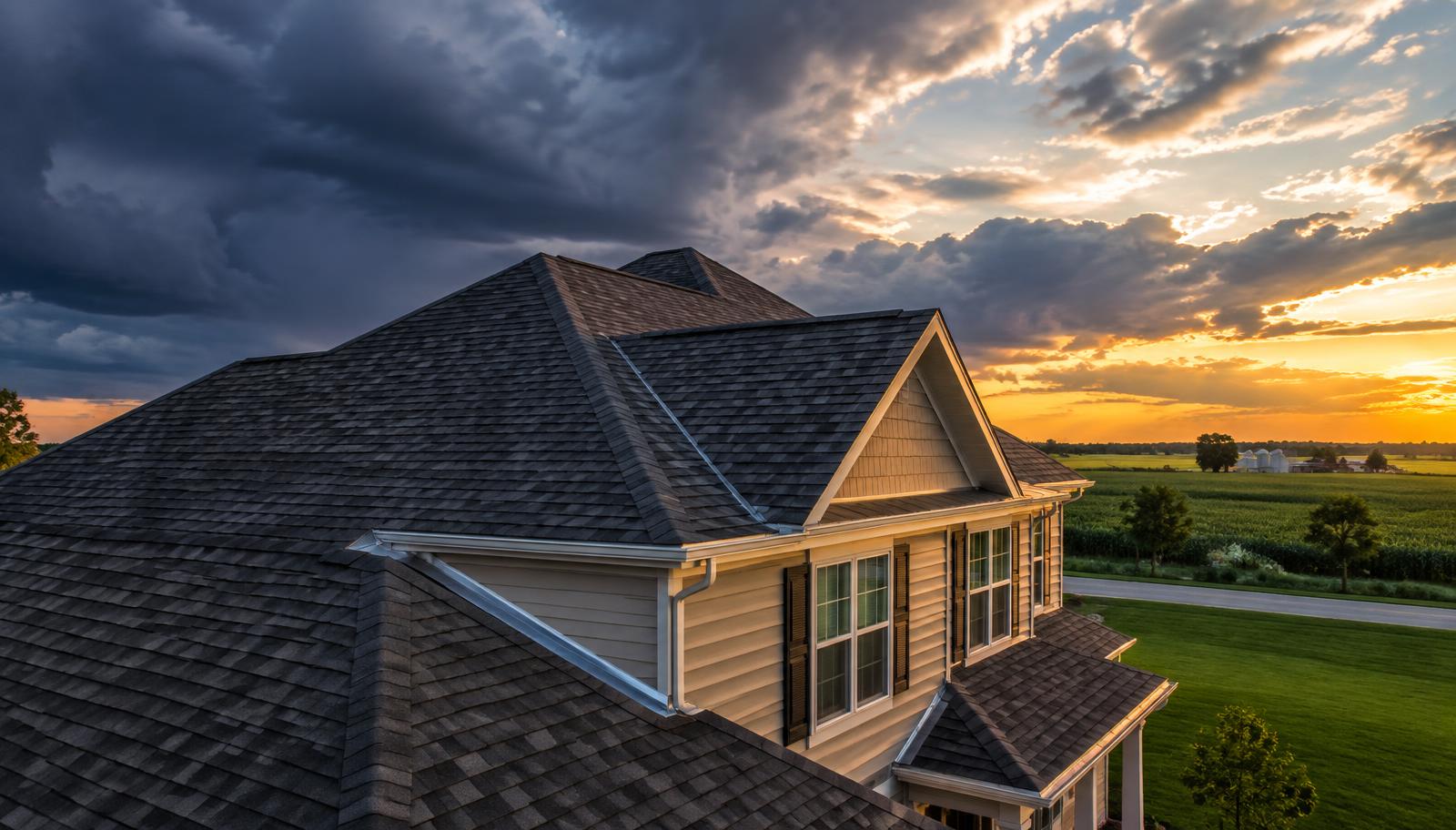
How long will you stay?
Selling soon? A sound repair may be enough. Staying ten years or more? Replacement often costs less over time than repeated repairs.
Start with the roof's history, not just its age
Age matters, but it is not the whole story. A 14-year-old roof with one isolated leak from a damaged pipe boot may only need a repair. A 9-year-old roof that has already had three separate repairs in different areas may be telling you something bigger is wrong underneath.
Questions that help you decide
Work through these before comparing any numbers:
- Is the damage limited to one spot or spread across multiple slopes?
- Has this roof needed repairs before, and how often?
- Are shingles brittle, curling, or losing granules broadly, not just near the damage?
- Is there soft or sagging decking in more than one area?
- How many more years do you plan to own this home?
When a repair makes sense
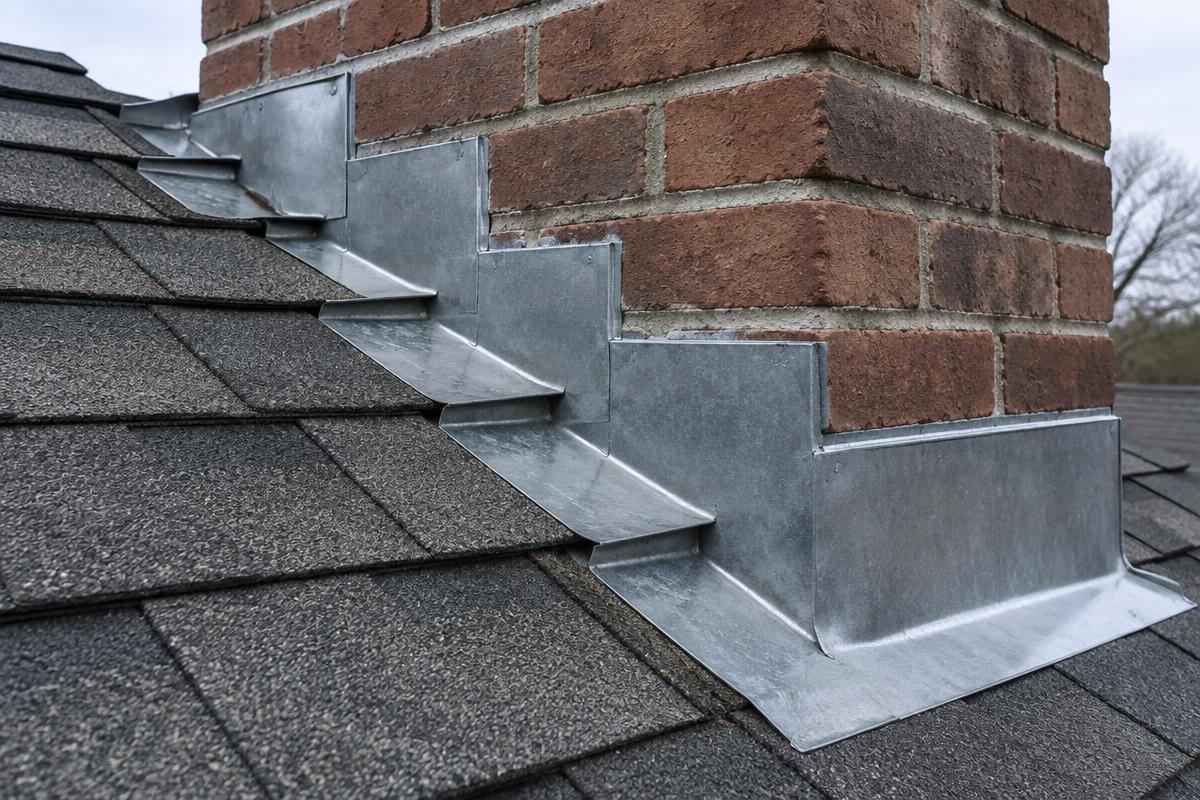
A repair is usually the right call when damage is contained, the rest of the roof is sound, and the roof is not near the end of its expected life. A well-done roof leak repair or targeted fix for wind damaged shingles can extend a roof's useful life by years without the cost of a full tear-off.
When replacement is the smarter long-term call
Replacement tends to win when damage is widespread, when the roof has multiple layers already, or when repeated repairs are starting to add up. Multiple leak points, ceiling water stains in more than one room, or decking that feels spongy in several spots are all signs the roof as a whole is failing rather than one isolated part of it.
The cost of waiting too long
Small leaks rarely stay small. Water that gets past shingles and underlayment can soak decking, rot framing, and feed mold growth that is far more expensive to fix than the original leak. In Central Illinois, freeze and thaw cycles can widen small cracks and gaps over a single winter, turning a minor repair into a larger one by spring.
How storm damage changes the decision
A single wind or hail event can shift the math. Damage from one storm, even if it looks serious, may be fully covered under an insurance claim and repaired in one project. If you are weighing this after a storm, read about insurance roof replacement before assuming a repair is cheaper out of pocket.
What an inspection adds to the decision
This decision should not be made from the ground. A hands-on roof inspection can check decking firmness, attic ventilation, and the condition of valleys and flashing, all of which affect whether a repair will actually hold.
Comparing the real cost over time
A repair has a lower price today, but if it is one of several repairs on an aging roof, the running total can approach or pass the cost of replacement without ever giving you a fresh, fully warrantied roof. Ask the roofer to walk through both paths, including a rough sense of how many more years a repair is expected to buy you, before deciding based on upfront price alone.
Material type can shift the decision
The right call can also depend on what is currently on the roof. A localized problem on a standing seam metal roof may be far easier to repair in place than the same type of damage on an aging asphalt system nearing the end of its service life. Ask how your specific roofing material affects the repair-versus-replace math.
Getting a second opinion before you commit
Because this decision affects both your budget and how long you will live with the result, it is reasonable to get a second inspection before committing to either path, especially if the first recommendation was for a full replacement. A second set of eyes can confirm the diagnosis or catch something the first one missed.
What a written estimate should clarify either way
Whichever direction you lean, ask for the reasoning in writing, not just a recommendation. A solid roofing estimate for a repair should explain why the rest of the roof is expected to hold, and one for a replacement should explain which specific findings ruled out a repair. That written reasoning is worth keeping alongside your other home records.
Quick decision guide
| Situation | Leans toward |
|---|---|
| One leak, roof under 12 years | Repair |
| Several leaks on different slopes | Replace |
| Brittle, curling shingles | Replace |
| Storm damage on one slope | Repair or slope replacement |
| Soft decking in many spots | Replace |
Common questions
Is there a roof age when replacement always wins?
No single age decides it. Condition, number of leaks, and decking health matter more.
Can I repair now and replace in a few years?
Often yes. Ask the roofer to say in writing how long the repair is expected to hold.
If I repair now, will I just end up paying for a replacement sooner?
Not necessarily. A well-matched repair on an otherwise sound roof can hold for years. The risk is higher only if the rest of the roof is already near the end of its life.
Does a repair affect resale value the way a full replacement does?
A documented, well-done repair is generally fine for resale. Buyers and inspectors mainly want to see that problems were addressed, not necessarily that the whole roof is new.
Can part of my roof be replaced while the rest is repaired?
Sometimes, especially when damage is limited to one slope, though matching materials and maintaining consistent ventilation across the roof needs to be considered.
How many repairs before replacement becomes the better value?
There is no fixed number, but if you are repairing the same roof every year or two, the total cost and disruption often starts to favor replacement.
Is it ever worth replacing a roof that has no current leaks?
Yes, if an inspection shows widespread wear, like extensive granule loss or aging past its expected lifespan, replacing proactively can avoid interior damage later.
Will my insurance pay for a replacement if a repair would technically work?
Insurers generally cover the cost to restore storm damage, which can mean a repair or a replacement depending on the extent of damage found during the claim process.
Talk Through Repair or Replace Options
Describe it in the form and a local roofing partner will help you sort it out.