What you will see
A straight crease across the shingle near the nail line, tabs that lift when you push gently, shingles flipped up on ridges or rakes, or granules and shingle bits in the yard.
Likely causes
Most cases trace back to one of these:
- Seal strip never bonded, often on roofs installed in cold weather
- Nails placed too high, above the nail strip
- Older shingles that lost flexibility
- Edges and ridges that catch open-field wind
How urgent is it?
A creased shingle may not leak right away, but the broken seal lets the next storm lift it further. Schedule a check within days, sooner if shingles are missing.
Repair options
Depending on what the inspection finds:
- Hand-seal lifted tabs that are not creased
- Replace creased or torn shingles
- Re-nail and seal loose rake and ridge shingles
When replacement is the smarter call
If creasing is spread across many slopes, or matching shingles are no longer made, a full slope or roof replacement may be the cleaner fix.
What an inspection should check
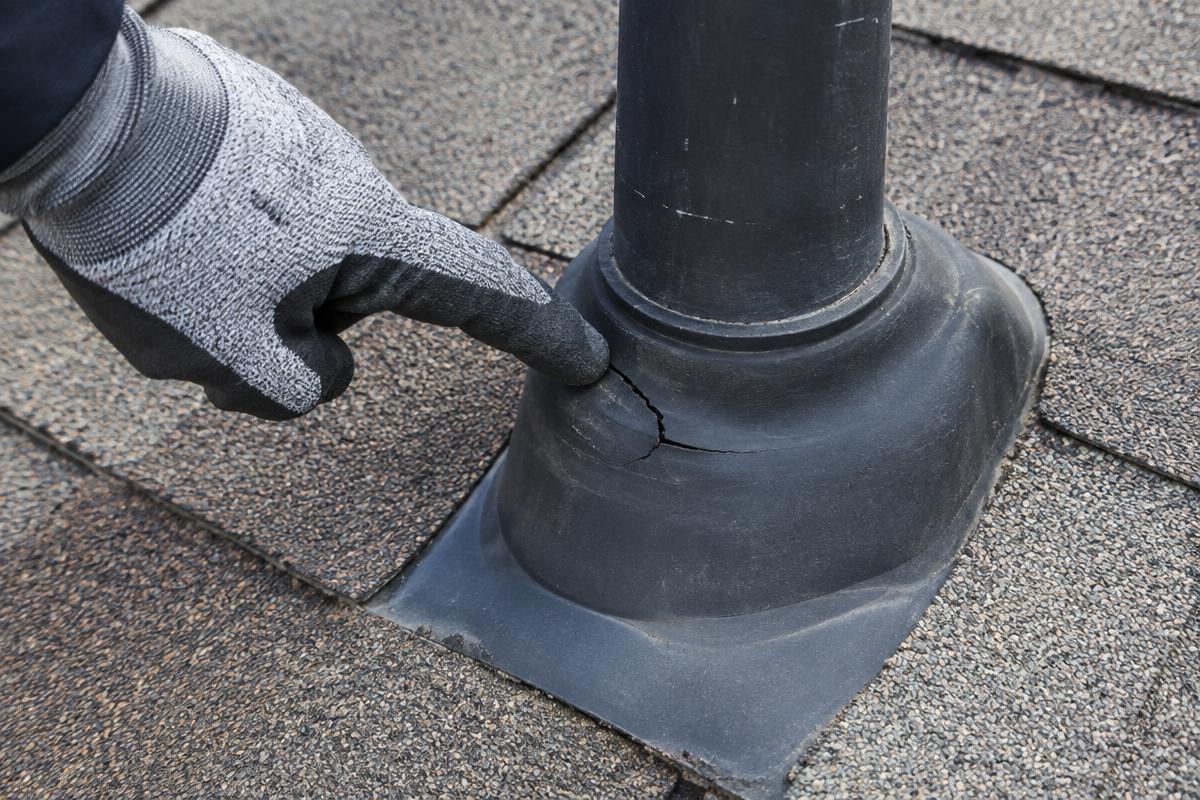
Wind damage is often subtle, a crease line here, a lifted tab there, so the inspection needs to cover more ground than the obvious trouble spot. Ask the roofer to look at:
- Every slope, not just the one facing the storm, since gusts can swirl around a roofline
- Nail strip placement on a sample of shingles to check for high-nailing
- Seal strip bond strength on tabs near ridges, rakes, and eaves
- Ridge caps and hip shingles for lifting or cracking
- Flashing around chimneys and vents for movement caused by wind pressure
- Gutters for accumulated granules, a sign of accelerated wear
Temporary fix vs. permanent repair
Hand-sealing a lifted tab with roofing cement can hold a shingle down short-term, but it does not restore a broken seal strip or fix a shingle that is already creased. The permanent fix usually means replacing creased or torn shingles outright, since a crease weakens the mat even if it has not torn yet. If wind damage is scattered across multiple slopes, patch repairs may only delay the point where a roof replacement becomes the more practical choice.
What happens if you wait
A creased shingle rarely heals or re-seals on its own. Each additional windstorm works the crease further until the shingle tears loose, and by then it may take a piece of the one next to it. Left unaddressed, wind damage tends to spread outward from the first affected spot, and a small repair job can grow into a much larger one after just a couple more storms.
What to do today
From the ground, look for shingles that appear discolored, lifted, or flipped compared to the rest of the roof, and photograph what you can see safely. Check your yard and gutters for shingle debris or granules. Do not attempt to press down or reseal shingles yourself, since walking on a wind-damaged roof can crack shingles that are still intact. Schedule an inspection while the storm is recent enough that the roofer can connect the damage to a specific event if you plan to document it.
What drives the cost of this repair
The main cost factors are how many shingles are creased or missing, how widespread the damage is across different slopes, and whether the existing shingles are still manufactured for a close match. Roof pitch, access, and the need for matching ridge cap or specialty shingles also play a role. See the roof repair cost guide for general ranges, and if the damage is extensive, compare repair vs. replace before committing to a scope of work.
How to describe it to the roofer
Describe which side of the roof seemed to take the worst of the storm and whether you noticed shingles flapping or flipped up during or after high wind. Mention the roof's age and whether this is the first wind event it has been through. If you have photos from the ground, send them ahead of the visit so the roofer has a sense of scope before climbing up.
Wind patterns that stress Decatur-area roofs
Flat, open terrain around Decatur and surrounding towns can let straight-line winds build speed before hitting a roofline, which is why edges, ridges, and corners often show damage first. If a wind event affected your neighborhood broadly, a storm roof inspection can help confirm whether the damage lines up with an insurable storm date, and the roof insurance claim process overview explains what documentation tends to help.
Common questions
Is a crease really damage if nothing is missing?
Yes. The crease breaks the shingle mat and the seal, so it can tear off in the next strong wind.
Can I fix it myself?
Walking a roof is dangerous, and bending sealed shingles in cold weather can crack more of them. Have it checked from a ladder or by a roofer.
How can I tell a wind crease from normal shingle wear?
A wind crease is usually a sharp, straight line across the shingle near the nail line, different from the gradual curling of age-related wear.
Does a creased shingle leak right away?
Not always immediately, but the broken seal makes it far more likely to leak or blow off in the next storm.
Can wind damage show up days after the storm?
Yes. Loosened seals and weakened shingles sometimes finish failing during a later, smaller wind event.
Is wind damage always visible from the ground?
No. Some creasing and lifted seals are only visible up close, which is one reason a ground-level look is not a substitute for an inspection.
Should I have the whole roof checked after wind, or just the damaged area?
A full check is worthwhile since wind can affect multiple slopes even if only one area shows obvious damage.
Do older shingles handle wind worse than newer ones?
Generally yes. Aged shingles lose flexibility and their seal strips weaken, making them more prone to wind damage.
Talk About Your Wind-Damaged Roof
Describe it in the form and a local roofing partner will help you sort it out.