Do this in the first hour
Stay off the roof. Then:
- Move furniture and electronics away from the leak
- Put a bucket under drips and poke a small hole in a bulging ceiling to drain it safely
- Turn off power to any wet light fixtures
- Take photos and video of the damage for insurance
- Call for an emergency tarp or temporary repair
What emergency service means
Emergency work is usually temporary: a secured tarp, sealed flashing, or boards over a hole. It stops water so a full repair can be planned in dry weather.
How an emergency request moves forward
After your first call, the general path is: quick phone triage of the situation, dispatch for tarping or temporary repair, an on-site look at the damage, a conversation about permanent repair options, and scheduling of the full fix once materials and weather allow.
- Contact: describe what is happening and where
- Triage: urgency is assessed based on active water intrusion
- Temporary stabilization: tarp, boards, or sealant as needed
- Findings: what caused the opening and how large it is
- Options and estimate for the permanent repair
- Scheduling the lasting fix once conditions allow
Common causes of roof emergencies in Decatur
Many emergency calls follow a specific event rather than slow wear. Straight-line winds can tear off a full section of missing or blown-off shingles. Hail can crack vents or crease shingle tabs hard enough to open gaps, as described on the hail dents page. Falling limbs during storms can puncture decking outright. Heavy, fast rain can also overwhelm a roof that already had a small weak spot, as covered on the roof leaking after heavy rain page.
Temporary tarping explained
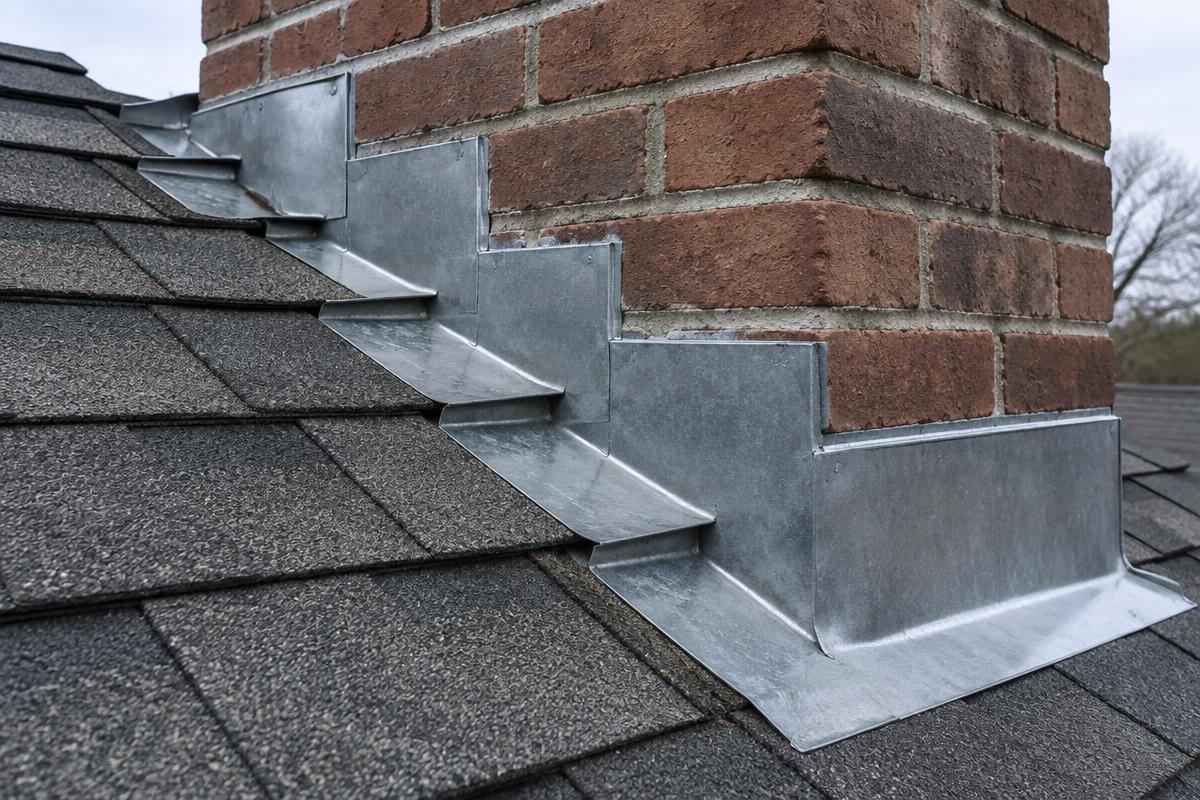
A tarp is meant to stop water, not finish the job. It is secured over the damaged area with boards or fasteners placed to avoid creating new holes, and it buys time until weather and scheduling allow a full repair. More detail on how this step typically works is on the emergency roof tarping page.
What to expect in cost for emergency work
Emergency calls often involve two cost conversations: the temporary stabilization and the permanent repair that follows. Because emergency work happens on short notice, in whatever weather is occurring, pricing can differ from a scheduled repair. Ask for an estimate for the temporary fix before work begins, and a separate scope for the permanent repair once the roof is dry and safely walkable.
What happens if damage is left uncovered
An open roof section left exposed even for a day or two can let significant water into insulation, drywall, and framing. Mold risk increases with time and trapped moisture. Items in rooms below a damaged section are also at ongoing risk until the opening is covered, which is why fast temporary stabilization matters even before a full repair is scheduled.
Documenting damage for a possible claim
Photos and video taken before any temporary covering goes up can matter later if you file an insurance claim. The roof insurance claim process page walks through how documentation, estimates, and adjuster visits generally fit together after storm damage.
After the storm: inspection and permanent repair
Once the immediate danger is handled, a full roof inspection or a dedicated storm roof inspection can confirm whether the damage is limited to the area you saw or extends further across the roof.
A worked example: a windstorm overnight
Say a line of thunderstorms passes through overnight and a homeowner wakes up to water dripping from a bedroom light fixture. The first steps are practical: move anything valuable out of the drip path, set a bucket, and call for help as soon as it is light enough to be safe outside. The roofer's first visit focuses on stopping the water, often with a tarp, before any conversation about permanent repair or wind damaged shingles happens in detail.
What good emergency work looks like versus poor work
A properly tarped roof has the covering pulled taut, secured with boards or strapping rather than loose nails scattered across the surface, and extended well past the damaged area in every direction. Poor emergency work leaves gaps at the edges where wind can get under the tarp, uses excessive fasteners that create new holes, or covers only the exact spot of visible damage without accounting for water that can travel sideways under shingles.
- Good: tarp extends past the damaged area on all sides
- Good: fasteners placed in boards or battens, not loose in the roof surface
- Poor: tarp edges left loose enough to flap in wind
- Poor: coverage limited to only the visible hole, missing nearby weak spots
Homeowner checklist during a roofing emergency
While waiting for help to arrive, a short mental checklist can limit damage:
- Move electronics, furniture, and valuables away from the leak path
- Place buckets or towels, and empty buckets before they overflow
- Avoid walking directly under a visibly sagging ceiling section
- Take photos and video of the damage before anything is covered or moved
- Keep a record of when the damage was first noticed
Seasonal emergency patterns in central Illinois
Spring tends to bring the most severe wind and hail events, which is when emergency tarping calls often spike. Summer storms can be sudden and intense even without hail, sometimes dropping heavy rain fast enough to overwhelm a roof with an existing weak spot. Winter emergencies more often involve ice damming or heavy snow load rather than wind, and freeze-thaw cycles can turn a minor gap into an active leak once temperatures swing above freezing.
After the emergency: avoiding repeat problems
Once the permanent repair is done, ask whether the cause has been fully addressed or just the immediate opening. A single missing shingle section repaired in isolation, without checking surrounding missing or blown-off shingles for similar wind exposure, can leave the roof vulnerable to a repeat event in the next storm.
Common questions
Should I climb up and tarp it myself?
No. Wet shingles and storm winds cause serious falls. Leave roof work to a trained crew.
Is an emergency tarp covered by insurance?
Many policies expect you to prevent further damage, and tarping is often part of a claim. Coverage depends on your policy, so ask your insurer.
What counts as a true roofing emergency?
Active water entering the living space, a hole or large missing section, or a tree limb resting on the roof all qualify. A single missing shingle with no leak usually does not need an emergency visit.
How do I protect my belongings while waiting for help?
Move furniture and electronics out of the drip path, lay down towels or buckets, and avoid walking directly under a sagging ceiling section.
Can emergency repairs happen at night or on weekends?
Many roofers make some accommodation for urgent situations outside normal hours, though availability varies, so ask directly when you call.
Will a tarp damage my roof further?
A properly installed tarp is secured to minimize new penetrations. A poorly installed one can create new fastener holes, which is why professional placement matters.
How long can a tarp safely stay up?
Tarps are a short-term measure. Wind, sun, and rain degrade them over time, so a permanent repair should be scheduled as soon as reasonably possible.
Do I call my insurance company or the roofer first?
Either order can work, but many homeowners call for emergency stabilization first to stop the damage, then notify their insurer with photos in hand.
Should I try to tarp the roof myself before help arrives?
Walking a wet, storm-damaged roof is risky, so most homeowners are better off managing the interior and waiting for a professional to handle the roof surface safely.
What if the storm knocked a tree limb onto my roof?
Do not attempt to remove it yourself, especially if it is large or near power lines. Call for professional help and keep people away from the area until it is assessed.
Can emergency roof damage affect my attic insulation?
Yes, water intrusion commonly soaks insulation quickly, which may need to be replaced separately from the roof repair itself.
How do I know if the temporary fix is holding?
Check the area after each rain event for new staining or drips, and contact the roofer promptly if anything changes before the permanent repair is scheduled.
Will an emergency repair look different from a planned repair?
The materials and methods are similar, but emergency work is done under time pressure, so a permanent, cleaner repair often follows once conditions and scheduling allow.
Emergency Roof Help for Decatur Homes
Describe it in the form and a local roofing partner will help you sort it out.