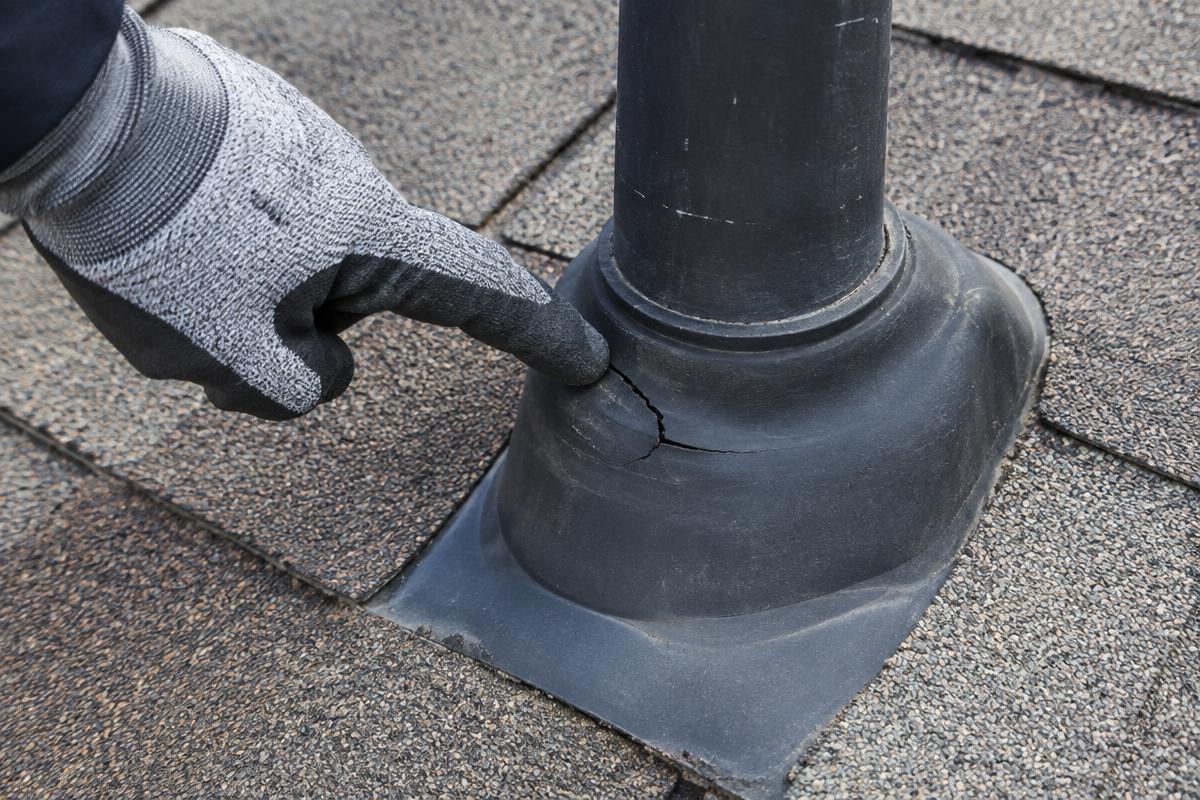
What should be checked
- Shingle condition and granule loss
- Flashing at chimneys, walls, pipes, and skylights
- Valleys and ridges
- Gutters and drip edge
- Attic for stains, ventilation, and decking condition
When to schedule one
After a major storm, before buying or selling a home, when the roof is over 15 years old, or any time you see a new stain.
What a thorough inspection covers, step by step
A complete inspection moves from the exterior to the attic and back to a written summary: a visual check of the roof surface, a closer look at penetrations and edges, an attic walkthrough, and a final report of findings with photos and recommended next steps.
- Roof surface: shingle or membrane condition, granule loss, cracking
- Penetrations: pipe boots, vents, skylights, chimneys
- Edges and transitions: drip edge, valleys, ridges, wall flashing
- Gutters and downspouts for debris, sagging, or separation
- Attic: insulation, ventilation, framing, and decking from below
- Written summary with photos of anything found
When an inspection makes the most sense
Beyond storm damage or a sale, a few other timing situations are worth planning around. A roof approaching 15 to 30 years old, the general range for many asphalt systems depending on material and conditions, benefits from a baseline check even with no visible issue. A newly purchased home is also a good time, especially if the previous owner's roof history is unclear.
Inspection process in detail: contact through walkthrough
After you reach out, a date is set based on your availability and current weather. The roofer walks the roof when conditions are safe and dry, documents findings with photos, and reviews them with you afterward, either on-site or over the phone. If repair or replacement is needed, you move into that separate estimate process, with the inspection standing as the starting point.
What a checklist-style report should include
A useful inspection report does more than say a roof passed or failed. It should note the condition of each major component, flag anything urgent versus anything to monitor, and include enough detail that a second opinion could be formed from it. The roof inspection checklist page outlines this in more depth.
Inspections after a storm versus a routine check
A storm roof inspection focuses specifically on wind and hail impact, looking for patterns tied to a specific weather event, often to support a potential insurance claim. A routine inspection instead looks at overall age-related wear and general condition. Many roofs could benefit from either, depending on recent weather.
Costs tied to what the inspection finds
The inspection itself is a diagnostic step, not a repair. What it finds then feeds into a separate estimate, whether that turns out to be a small repair, a larger fix, or a full roof replacement. Reviewing how roofing estimates work can help you understand how inspection findings typically translate into pricing.
What happens if you skip regular inspections
Small issues like a cracked pipe boot or a lifted shingle edge are inexpensive to catch early. Left unchecked through a winter of freeze-thaw cycles or a season of storms, the same issue can turn into interior water damage, soft decking, or a much larger repair bill than a simple check would have caught.
A worked example: inspection findings leading to two different paths
Two homes of similar age might get very different recommendations from the same type of visit. One inspection finds isolated granule loss on a south-facing slope with everything else intact, pointing toward monitoring or a small repair. Another finds brittle shingles across every slope plus a soft spot in the decking near a valley, pointing toward a conversation about roof replacement. The inspection itself is the same process; the findings simply differ.
What a thorough inspection looks like versus a rushed one
A thorough inspection includes time on the roof itself when conditions allow, a look from inside the attic, and photos documenting specific findings rather than a general impression. A rushed inspection might rely only on ground-level binoculars or a quick glance, missing penetrations, valley condition, or attic moisture signs entirely.
- Thorough: photos of each problem area with a written explanation
- Thorough: attic checked for daylight, staining, and insulation condition
- Rushed: a verbal summary with no documentation provided
- Rushed: no attic access check at all
Homeowner checklist to prepare for an inspection
A little preparation helps the visit go smoothly:
- Clear a path to attic access ahead of time
- Note any interior stains, odors, or draft complaints beforehand
- Make sure pets are secured if the inspector needs attic or exterior access
- Have any past roofing paperwork or warranty documents on hand if available
- Ask in advance whether photos or a written report will be provided
Seasonal timing for inspections in central Illinois
Many homeowners schedule a routine inspection in spring, after winter freeze-thaw cycles have had a chance to expose any weak points, and again in fall before winter weather sets in. An inspection right after a significant wind or hail event is also common, separate from this routine schedule, to check for storm-specific damage before it worsens.
Questions to ask your inspector
Before the visit ends, make sure you understand:
- Whether anything found needs urgent attention versus ongoing monitoring
- What specifically was checked, including attic and gutter components
- Whether photos or a written report will be provided for your records
- How the findings would affect a repair versus replacement decision
- Whether a follow-up visit is recommended and on what timeline
Mistakes to avoid around roof inspections
Some homeowners skip inspections entirely until a leak forces the issue, losing the chance to catch smaller problems early. Others accept a verbal pass or fail with no documentation, which is not useful later for insurance or resale purposes. Scheduling an inspection only after visible damage, rather than on a routine basis, also means problems like hail dents or wind-lifted shingles can go unnoticed for a full season or more.
Common questions
Will I get photos?
You should. Ask for photos of every problem found so you can see what the inspector saw.
Is a roof inspection different from a home inspection during a sale?
Yes. A general home inspector may only look at the roof briefly, while a dedicated roof inspection goes further into shingle condition, flashing, and attic details.
Do I need to be present for the inspection?
It helps, especially so you can ask questions on the spot, but arrangements can sometimes be made for access without you present.
How long does a typical inspection take?
It varies with roof size and complexity, but most residential inspections can be completed in a single visit.
Will bad weather delay my scheduled inspection?
Yes, wet or icy roofs are unsafe to walk, so inspections are typically rescheduled around safe conditions.
Can an inspection be done on a roof I am about to buy a home with?
Yes, pre-purchase inspections are common and can give you leverage in negotiations if issues are found.
What if the inspection finds nothing wrong?
That is a good outcome. You still get a written record of the roof's condition at that point in time, useful for future reference or insurance purposes.
Does an inspection include the gutters?
Most inspections check gutters and downspouts as part of the overall water-management picture, since clogged or sagging gutters affect roof drainage.
Can an inspection be done remotely with drone photos instead of walking the roof?
Some inspections use drone or ladder photography for parts of the assessment, but a full report usually still benefits from an attic walkthrough that cannot be done remotely.
What should I do with my inspection report afterward?
Keep it on file. It is useful for comparing against future inspections, supporting an insurance claim, or sharing with a buyer if you sell the home.
Will an inspection tell me if my roof is under warranty still?
Not directly, since warranty records are usually tied to your own paperwork, but the inspector can note the apparent age and condition to help you follow up with the manufacturer or installer.
Can I request an inspection just for one section of a large roof?
Yes, a targeted inspection of one section is possible, though a roofer may suggest checking adjoining areas if they share drainage or structural connections.
How soon after an inspection can repair work usually start?
It depends on findings, scheduling, and weather, but many homeowners move from inspection to a repair estimate within a short window if the issue is urgent.
Get a Roof Inspection Scheduled in Decatur
Describe it in the form and a local roofing partner will help you sort it out.