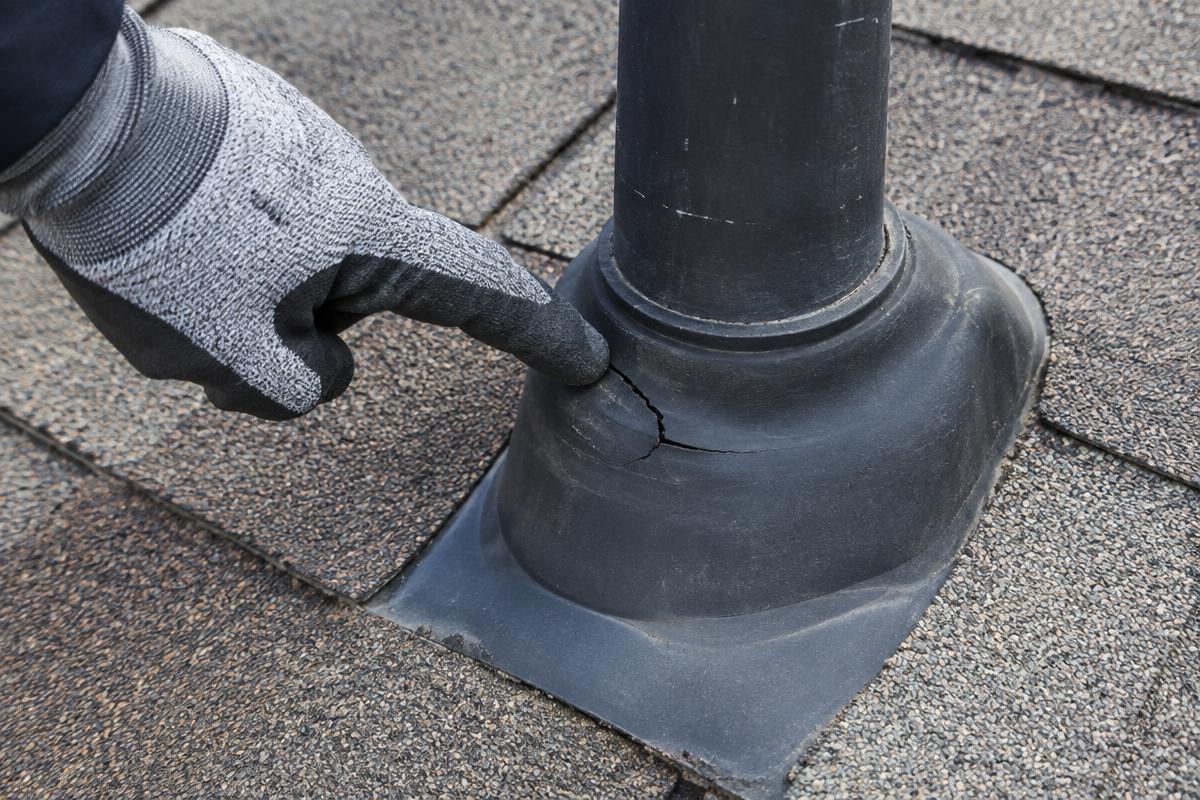
Outside
- Missing, curled, or cracked shingles
- Granules in gutters
- Rusty or loose flashing
- Sagging ridgeline
- Gutters pulling away
Inside
- Ceiling stains
- Daylight through attic boards
- Wet or matted insulation
- Frost on nails in winter
What you need before you start
A pair of binoculars, a flashlight, and a notepad or phone camera are usually enough for a homeowner-level check. You are not trying to diagnose the roof yourself, just to catch early warning signs worth calling a roof inspection over.
Ground-level walk around the house
Walk the full perimeter of the house in daylight and look up at each slope from a few different angles. Note anything that looks uneven, discolored, or out of place, and take a photo if you are unsure whether something is normal wear or a real problem.
- Shingles that look curled, cracked, or visibly missing
- Dark streaks or patches that could be algae or wear
- A roofline that dips or sags instead of running straight
- Flashing around chimneys or walls that looks lifted or rusted
- Granules collecting at the bottom of downspouts
Checking gutters and downspouts
Gutters tell you more about roof condition than most homeowners realize. Heavy granule buildup, especially on a roof under 10 years old, can signal accelerated shingle wear. Clogged or sagging gutters can also push water back under the roof edge, which is a common contributor to roof leaking after heavy rain.
What to check in the attic
If you can safely access the attic, bring a flashlight and look along the underside of the roof deck and around any penetrations like vent pipes or the chimney chase.
- Spots of daylight showing through the roof boards
- Dark or discolored stains on the wood
- Wet, matted, or compressed insulation
- Frost on the underside of the roof deck or on nail tips in cold weather
- Any smell of mildew or standing moisture
After a storm
After any significant wind or hail event, do a quick ground-level check before assuming everything is fine. Look specifically for missing or blown off shingles, bruised or dented areas on shingles consistent with hail dents, and debris on the roof or in the yard. If you see anything concerning, a storm roof inspection is worth scheduling rather than waiting.
Seasonal checks through the year
Roofs face different stress in each season in Central Illinois, and a short check at the start of each one can catch problems early.
- Spring: look for winter damage, loose flashing, and clogged gutters after snowmelt
- Summer: check attic ventilation during hot stretches and look for heat-related shingle wear
- Fall: clear leaves and debris from gutters and valleys before freezing weather
- Winter: watch for ice buildup along eaves and any signs of ice damming
When a checklist item means it is time to call someone
A single curled shingle or a bit of attic frost is not automatically an emergency, but patterns matter. Multiple items on this list showing up at once, especially stains plus attic moisture, point toward a problem that needs a closer look rather than another season of watching it.
Checklist findings versus a professional estimate
This checklist helps you decide when to call, not what the fix should be. Once a roofer is on-site, the process moves from your observations to how roofing estimates work, including measurements, a scope of work, and a written price.
Checking flat or low-slope sections
If your home or an attached garage has a flat or low-slope section, add a few extra items to your walk-through. Look for standing water that has not drained a day or two after rain, which can point to flat roof ponding, along with cracked seams, blistering, or lifted edges on the membrane.
Tracking changes over time
A single check tells you the roof's condition on one day. The real value of this checklist comes from repeating it and comparing notes season to season. Keep a simple log with dates and photos so you can tell whether a small issue, like a patch of granule loss or a minor stain, is stable or getting worse.
What a homeowner checklist cannot tell you
This checklist is meant to catch warning signs, not to replace a trained eye. It cannot tell you the true condition of decking under the shingles, the remaining life of aging underlayment, or whether ventilation is properly balanced. Those details require a hands-on look by someone trained to check them.
Common questions
What can I check from the ground?
Missing shingles, sagging lines, granules in gutters, and damaged flashing you can see with binoculars.
When should I check the attic?
After big storms and once a season. Look for daylight, wet insulation, or dark stains on the wood.
How often should I do this checklist myself?
A quick ground-level look two to four times a year, plus after any major storm, is a reasonable habit for most homeowners.
Is it safe to get on the roof myself to check it?
Most of this checklist is designed to be done from the ground or attic. Walking the roof surface carries real fall risk and is best left to a professional.
What is the single most important thing to check in the attic?
Moisture signs, whether that is staining, wet insulation, or frost, since they often reveal a leak before it shows up on the ceiling.
Can I use this checklist for a flat roof too?
Some items apply, but flat roofs have their own concerns like ponding water and membrane seams that this ground-and-attic checklist does not fully cover.
Do small granules in the gutter always mean the roof needs replacing?
Not always. Some granule loss is normal, especially on a newer roof shedding loose material. Heavy, ongoing loss on an older roof is more concerning.
Should I keep records of what I find each time I check?
Yes. Photos and notes with dates help a roofer spot changes over time and can support an insurance claim if storm damage is later found.
Get a Roof Inspection Scheduled
Describe it in the form and a local roofing partner will help you sort it out.