A good estimate includes
- Measurements in squares
- Itemized materials
- Tear-off and disposal
- Decking price per sheet
- Permit and cleanup
- Warranty terms
- Payment schedule
Red flags
- Large cash deposit before materials arrive
- No written contract
- Pressure to sign today
- Offer to waive your deductible
Inspection first, estimate second
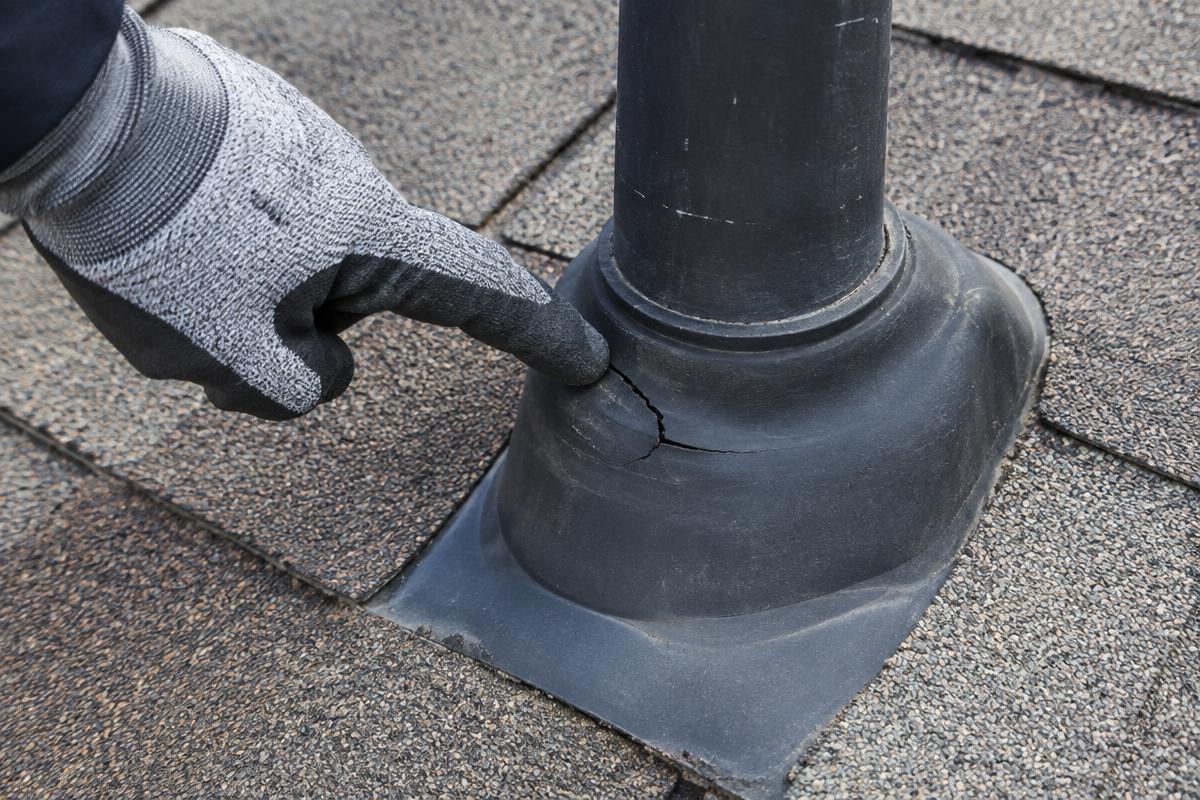
A trustworthy estimate always follows a real look at the roof. Before any number goes on paper, the roofer should walk the roof surface (or use a drone or ladder when pitch or height makes walking unsafe), check the attic if access allows, and note the condition of flashing, vents, and edges. If someone offers a firm price over the phone with no roof inspection, treat that as a warning sign rather than a convenience.
Estimate vs. inspection: what is the difference
An inspection is a diagnosis. It tells you what is wrong and how bad it is. An estimate is the proposed fix and its price. You can get an inspection without committing to any work, and a good roofer should be willing to explain findings in plain language before talking numbers. If you are dealing with storm damage, a storm roof inspection is often the right first step before any estimate is written.
How roofers measure your roof
Most estimates are built around "squares," a roofing unit equal to 100 square feet. The roofer measures total area, pitch, and the length of ridges, valleys, and edges, since each of these changes how much material and labor the job needs. Steeper roofs, more valleys, and more penetrations (chimneys, vents, skylights) generally mean more time and more flashing work, which the estimate should reflect line by line.
Getting more than one estimate
It is reasonable to ask two or three roofers to look at the same roof and write up their findings. Compare what each one found, not just the bottom-line price. One roofer may have caught sagging decking or valley leaks that another missed, and that difference matters more than a small gap in cost.
- Did each estimate list the same scope of work?
- Are the same problem areas noted in each one?
- Does the price difference come from materials, labor, or something unexplained?
- Is one estimate missing items like tear-off, disposal, or permits?
Comparing quotes apples to apples
Two estimates with very different prices are not useful side by side unless you know what is included in each. A lower number that skips decking repair, ice and water membrane, or proper ventilation can end up costing more later. Lay the estimates next to each other line by line, not just total to total.
What changes an estimate after work starts
Tear-off sometimes reveals problems that were not visible from the surface, such as rotted plywood under shingles or hidden water staining near a chimney. A fair estimate explains up front how those surprises are priced, usually as a per-sheet decking rate, and how you will be told before extra work is done. This matters whether the job is a full roof replacement or a smaller roof repair.
If your estimate involves an insurance claim
When storm damage is involved, the estimate may need to line up with what an insurance adjuster documents. Understanding the roof insurance claim process ahead of time helps you ask the right questions about scope, matching, and code upgrades before signing anything.
From estimate to scheduled work
Once you accept an estimate, the process usually moves through a few clear steps: a signed agreement, material ordering, a scheduled start date, the work itself, a final walkthrough, and cleanup. Ask up front how each step will be communicated, especially if weather or material delays could shift the schedule. A roofer who explains this timeline clearly before you sign is usually easier to work with once the project starts.
Estimates for repairs versus full replacements
A simple roof repair estimate is often shorter, sometimes just a single line item plus a trip charge, while a full roof replacement estimate should break down tear-off, decking, underlayment, flashing, ventilation, and final materials separately. Neither length is automatically better or worse, but a repair estimate that reads like a replacement estimate, or the reverse, is worth asking about.
Why written detail protects you later
A detailed, itemized estimate is not just about transparency today. If a dispute ever comes up about what was promised, a vague one-line estimate gives you little to point back to. A detailed one, with materials, brand names, and scope spelled out, gives both you and the roofer a clear reference if questions come up months or years later.
Common questions
Is the estimate free?
Ask the local roofing partner when they call. Terms can vary by job type.
What should a written estimate list?
Materials by brand and line, tear-off, decking allowance, flashing, ventilation, cleanup, warranty, and payment terms.
What happens between signing an estimate and work starting?
Typically materials are ordered, a start date is set, and the roofer confirms the schedule with you. Timelines can shift with weather or material availability, so ask for an expected window rather than an exact date.
Do I have to be home for an estimate visit?
Being home helps, since the roofer can show you findings and answer questions on the spot, but some inspections can be done from the exterior and attic alone.
How long does it take to get a written estimate back?
It varies by roofer and workload. Ask when you book the inspection so you know what to expect.
Should I be suspicious of a very low estimate?
Not automatically, but check that it includes the same scope as other quotes. A low price that skips decking, ventilation, or proper flashing is not actually a good deal.
Can an estimate change after I accept it?
It can, but only for documented reasons like hidden decking damage found during tear-off. Ask how changes are communicated and approved before you sign.
Do estimates expire?
Material prices and availability shift, so many estimates are valid for a limited window. Ask the roofer directly how long their number holds.
What if two roofers disagree on whether I need a repair or a full replacement?
That is common, and it is one more reason to get more than one opinion. Review each one's findings using a [repair vs. replace](costs/repair-vs-replace) framework before deciding.
Request a Written Roof Estimate
Describe it in the form and a local roofing partner will help you sort it out.