
Typical steps
- Photograph damage and note the storm date
- Prevent further damage (tarp if needed)
- Read your policy and deductible
- File the claim with your insurer
- Meet the adjuster; have your roofer present if you can
- Review the written estimate (scope of loss)
- Schedule work once approved
Important
This site does not decide or promise insurance coverage. Ask your agent or insurer about your specific policy.
Before you call your insurer
Many homeowners get a roof looked at before opening a claim, simply to know whether there is damage worth reporting. This is optional and your choice. If you do this first, keep whatever photos or notes come out of it; see storm roof inspection for what that typically covers.
Reading your policy before you file
It helps to know a few things from your policy before you pick up the phone: your deductible amount, whether your roof is covered at actual cash value or replacement cost, and whether there is a separate wind or hail deductible. Insurers vary widely here, and only your policy and your agent can answer specifics. This site cannot interpret your policy for you.
Contacting the insurer
Filing usually means a call or online report to your insurance company or agent, giving the storm date, a description of the damage, and any photos you have. The insurer assigns a claim number and typically schedules an adjuster visit within a window they set, not one this site or a roofer controls.
What the adjuster visit generally involves
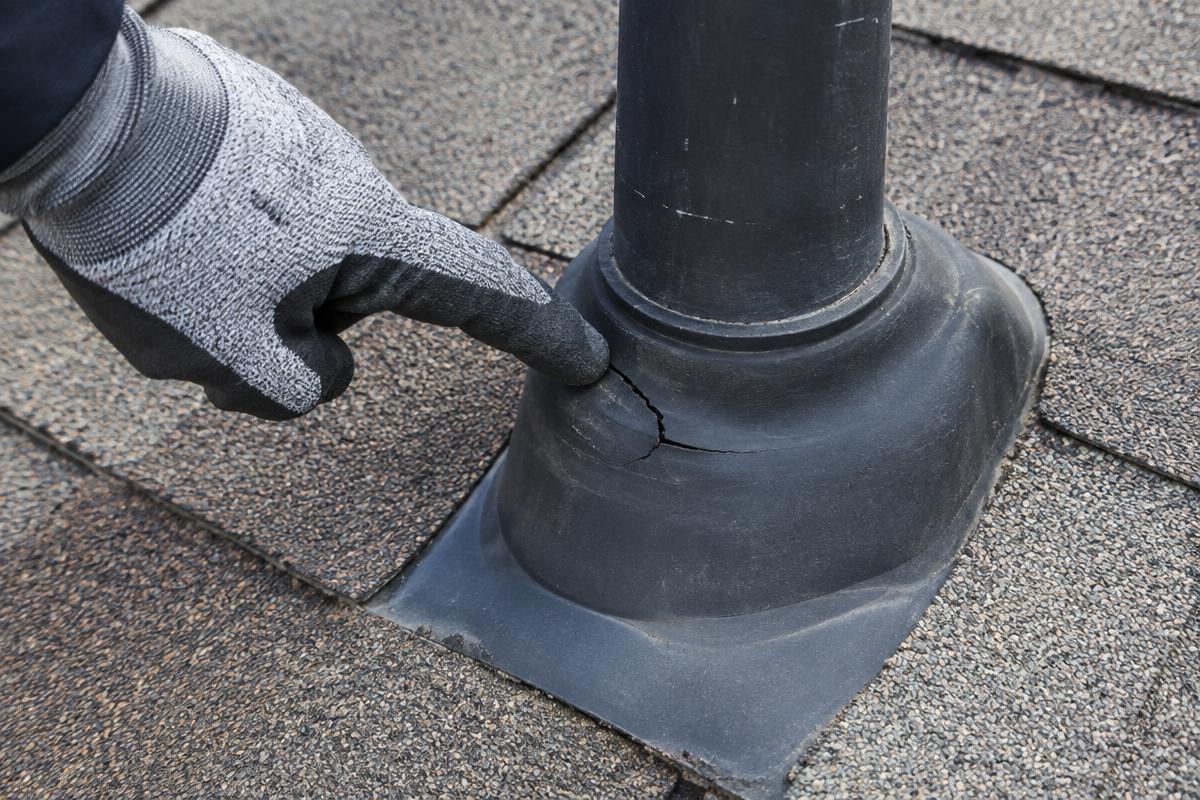
An adjuster is an insurance company representative, not a contractor, and their job is to evaluate the loss on the insurer's behalf.
- Walking or inspecting the roof, sometimes from the ground or with a drone
- Checking the same general areas a roofer would: slopes, flashing, vents, gutters
- Noting measurements and damage type for their report
- Discussing findings with you before leaving, though final numbers often come later in writing
Should your roofer attend the adjuster meeting
You can choose to have a roofer present when the adjuster visits. Some homeowners find it useful so measurements and damage notes can be compared later. It is not a requirement, and no roofer can speak for the insurer or guarantee what the adjuster will decide.
The written scope of loss
After the visit, the insurer typically sends a written estimate, sometimes called a scope of loss, listing what they agreed is damaged and the price they are offering to pay for it. This document is worth reading line by line. If you believe something was missed, you can ask the insurer to review it, a step often called a supplement request.
Supplements in general terms
A supplement is simply a request to add an item that was left off the original scope, such as additional flashing, code-required underlayment, or a missed section of damaged decking. Supplements are reviewed and approved or denied by the insurer, not automatically granted, and they can add time to the process.
Your deductible and payment structure
The deductible is the portion of a covered loss you are responsible for under your policy; the insurer pays the remainder according to the terms of your coverage. Some policies release funds in more than one payment, which ties into how actual cash value and replacement cost work; see insurance roof replacement for how that plays out once work actually begins.
How the claim process can differ for wind versus hail
Some policies treat wind and hail claims slightly differently, including separate deductibles that are often a percentage of your home's insured value rather than a flat dollar amount. If a storm brought both high wind and hail, your insurer may evaluate the damage types together or separately depending on how your policy is written. This is worth asking about directly, since it can change how much you owe out of pocket.
Central Illinois storm patterns and claim timing
Decatur and the surrounding area see a mix of severe spring and summer storms, including straight-line wind events and hail, along with winter ice and freeze-thaw stress that can show up as separate, slower damage. After a widespread regional storm, insurers and contractors can both see a surge in claims at once, which may extend how long an adjuster visit or scope review takes. Being organized with your documentation up front can help keep your specific claim moving.
Communicating with your insurer in writing
Phone calls are often the fastest way to get questions answered, but it helps to follow up important conversations in writing, such as an email summarizing what was discussed or confirming a claim number and adjuster contact. Keeping a simple log of dates, names, and what was said can make it easier to track where the claim stands, especially if it takes several weeks.
Choosing a contractor
You are generally free to choose your own roofing contractor for the work, rather than one suggested by the insurer. It is worth comparing more than one estimate and confirming the scope matches what your insurer approved. A roof inspection checklist can help you compare what different contractors are quoting.
Red flags to watch for
Be cautious of any contractor who offers to pay or waive your deductible, promises a certain claim outcome before an adjuster has even looked at the roof, or pressures you to sign a contract at the door. These practices can be against the law in some states and can put your claim at risk.
Delays and what can slow a claim down
Missing documentation, a backlog of claims after a widespread regional storm, or a disputed scope item can all add time. Weather delays matter too; scheduling repair work during Illinois winters or periods of heavy rain can push timelines even after a claim is approved.
Common questions
Will filing a claim raise my rates?
That depends on your insurer and policy. Ask your agent directly; this site cannot answer for your insurer.
What if I disagree with the adjuster?
You can ask your insurer about re-inspection or the appeal options in your policy.
Do I need a claim number before scheduling repair work?
Many insurers want a claim open and sometimes an adjuster visit completed before they will pay for repairs, though emergency mitigation like tarping is often treated differently. Check with your insurer.
How long does a typical claim take from filing to approval?
Timelines vary by insurer, claim complexity, and how busy they are after a regional storm. There is no fixed timeframe this site can promise.
What is the difference between a claim adjuster and a public adjuster?
A claim adjuster usually works for or on behalf of the insurance company. A public adjuster is hired by the homeowner to help represent their interests in the claim, generally for a fee.
Can I ask for a copy of the adjuster's measurements?
You can ask your insurer for the report or scope of loss, which usually includes their measurements and line items.
What happens if the insurer denies my claim?
Your policy should outline your appeal or re-inspection options. This is a conversation to have directly with your insurer or agent.
Do I have to get multiple roofing estimates for a claim?
It is not usually required, but comparing estimates can help you confirm the insurer's scope is reasonable and complete.
Is there a time limit for filing a storm damage claim?
Many policies set a deadline for reporting damage. Check your policy documents or ask your agent for your specific timeframe.
Can I switch insurance companies while a roof claim is open?
This is a question for your current and prospective insurers and your agent; claims handling during a coverage change varies by company.
Talk About Your Roof Claim Process
Describe it in the form and a local roofing partner will help you sort it out.