What you will see
Shingle pieces in the yard, dark patches or bare underlayment on the roof, or loose tabs flapping.
Likely causes
Most cases trace back to one of these:
- Strong straight-line wind
- Shingles that never sealed down
- Too few nails or nails placed too high
- Old, brittle shingles
How urgent is it?
High. Get exposed areas covered within days, especially if more rain is coming.
Repair options
Depending on what the inspection finds:
- Replace missing shingles and hand-seal neighbors
- Replace creased shingles nearby
- Re-secure ridge caps
When replacement is the smarter call
If shingles keep blowing off in different places, the roof likely has a nailing or sealing problem across the whole surface.
What an inspection should check
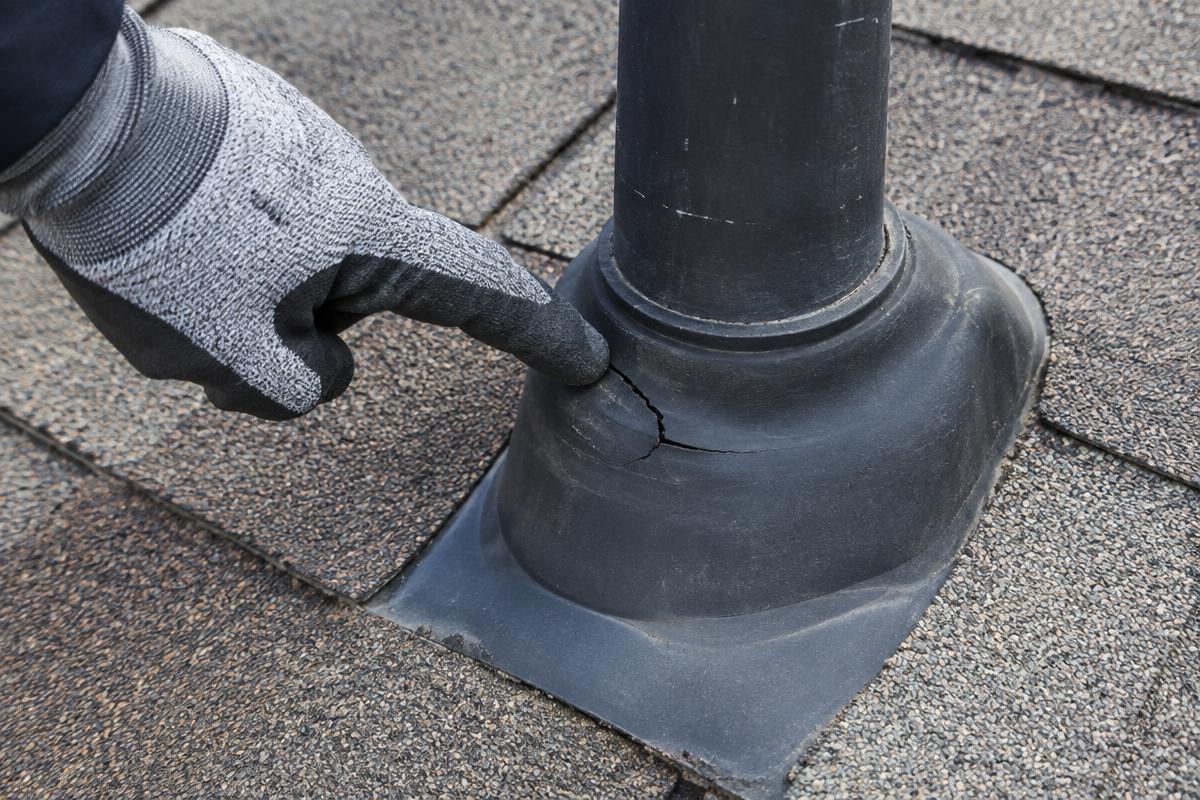
Finding shingles in the yard is only part of the picture. A proper inspection accounts for every piece that moved, not just the obvious bare spot. Expect the roofer to check:
- The exposed area itself for torn underlayment or exposed nail heads
- Shingles around the missing section for lifted tabs or broken seals that will come off next
- Ridge caps and rake edges, which take the brunt of wind uplift
- Nail placement on surrounding shingles to see if under-nailing is a widespread issue
- Gutters and downspouts for shingle debris and granule buildup
- The attic deck beneath the bare spot for any water intrusion that already started
Temporary fix vs. permanent repair
A tarp or a temporary cover board can keep rain out of an exposed section for a short stretch, but underlayment is not designed to handle sun and repeated wetting for long. The permanent fix is replacing the missing shingles and hand-sealing the neighbors so they do not lift in the next gust. If the pattern suggests a wider nailing problem, a patch-only approach may just mean more shingles blow off a few storms later, which is worth discussing honestly with the roofer before deciding between roof repair and a larger project.
What happens if you wait
Exposed underlayment degrades faster than shingles because it was never meant to be a long-term roof surface. Every rain that reaches it works moisture further into the decking, and UV exposure dries and cracks it. A bare patch left through several storms often turns from a simple shingle swap into a decking repair, and the surrounding shingles may continue to loosen and blow off one by one.
What to do today
Walk the yard and property perimeter to collect any shingle pieces, since the roofer may want to see them to judge age and condition. Photograph the bare area from the ground if you can see it safely, along with the date of the storm. Avoid climbing onto the roof to inspect or cover it yourself. If rain is expected soon, call to get a tarp or temporary cover in place before the next system moves through.
What drives the cost of this repair
Cost depends mostly on how many shingles are missing, how old the surrounding roof is, and whether matching shingles are still available. A small, isolated patch is usually straightforward. A pattern of missing shingles across several slopes points toward a nailing or sealing issue that may call for more extensive work. Roof pitch and access also affect labor time. For general ranges, see the roof repair cost guide, and if wind caused the damage, ask whether it falls under a typical wind damage roof repair scope.
How to describe it to the roofer
Tell the roofer when you first noticed the missing shingles, roughly how many you found on the ground, and whether this is the first time it has happened or a repeat issue. Mention the roof's approximate age if you know it, since older, brittle shingles behave differently than a newer roof with a nailing defect. Note which side of the house the debris came from, since that usually points to the wind direction during the storm.
Wind exposure around Decatur homes
Open fields and exposed rooflines common in and around Decatur can catch straight-line winds that peel shingles starting at edges, ridges, and rakes. If a strong wind event hit your area, it is worth asking about a storm roof inspection in addition to the repair itself, since wind can lift shingles in spots you cannot see from the ground.
Questions to ask the roofer about a repeat shingle problem
Before work starts, ask a few pointed questions so you understand what you are paying for. Find out whether the crew will hand-seal the tabs around the new shingles or just nail them in place, since hand-sealing helps the patch resist the next windstorm. Ask how they will match color and texture if your current shingles are several years old, and whether the roofer can explain what likely caused the shingles to go missing in the first place, age, a nailing pattern, or just an unusually strong gust, since that answer shapes whether a patch is enough or a broader look is worth it.
Maintenance after the repair
Once new shingles are in place, a little seasonal attention helps them last. Clear leaves and debris from valleys and gutters each fall so wind-driven rain does not pool near repaired edges, and take a look from the ground after any strong storm to confirm nothing new has lifted. Trim overhanging branches that could rub against the patched area during wind. If you notice the same section loosening again within a year or two, treat that as a signal to ask for a closer look rather than a third patch in the same spot, and consider whether architectural shingles with a stronger wind rating make sense next time the roof is replaced. A quick walk-around after each major storm season, spring winds and late-summer thunderstorms in particular, is a low-effort habit that catches small problems before they turn into another round of missing shingles.
Common questions
Is this covered by insurance?
Wind damage is a common covered peril, but it depends on your policy and deductible.
I only found two shingles in the yard. Is that a big deal?
It can be more than it looks. Each missing shingle leaves a gap, and wind that took two may have loosened others nearby.
Can I just nail the shingle back down myself?
Roof work is dangerous without the right equipment, and a shingle that blew off usually needs sealant, not just a nail, to hold through the next storm.
Will new shingles match my old roof exactly?
Sun fading over time means an exact match is not guaranteed, especially on an older roof, but the roofer can discuss options before starting.
Does the roofer check for a bigger wind uplift problem during a small shingle repair?
A thorough visit usually includes a look at nail placement and seal strips nearby, since that context helps explain why shingles came loose in the first place.
How soon after a storm should I call someone?
Within a few days is reasonable for a non-emergency case, sooner if more rain is in the forecast or water is already getting in.
What if shingles keep going missing every windy season?
That pattern usually points to an underlying nailing or sealing issue worth a full inspection rather than repeat patch repairs.
Is it safe to drive over shingle pieces in my yard before cleanup?
Small shingle granules and bits are not hazardous, but larger pieces can damage mower blades, so clear them first.
Should I keep leftover shingles from an old repair for future matching?
It can help, but shingles fade with sun exposure over the years, so even saved extras may not match a repaired area perfectly later on.
Can hand-sealing alone fix shingles that are already loose but not missing?
Sometimes, if the shingle itself is undamaged and the seal just needs reactivating, but torn or creased shingles usually need full replacement instead.
Get a Roof Inspection for Missing Shingles
Describe it in the form and a local roofing partner will help you sort it out.