Ask before work starts
Ask what happens if hidden damage is found, and get the price for extra decking in writing first.
Why small repairs still vary in price
A repair quote reflects more than the size of the visible damage. Roofers price repairs based on time on the roof, the materials needed to match your existing system, and what they expect to find once they get close to the damaged area. Two homes with a similar-looking leak can have very different repair scopes depending on what is underneath.
Access and pitch on repair calls
A single pipe boot replacement on a low, walkable roof takes far less time and equipment than the same repair on a steep, two-story slope. Ladders, harnesses, and extra set-up time for a safe, short repair add cost even when the material itself, such as a pipe boot, is inexpensive.
Type of repair and labor involved
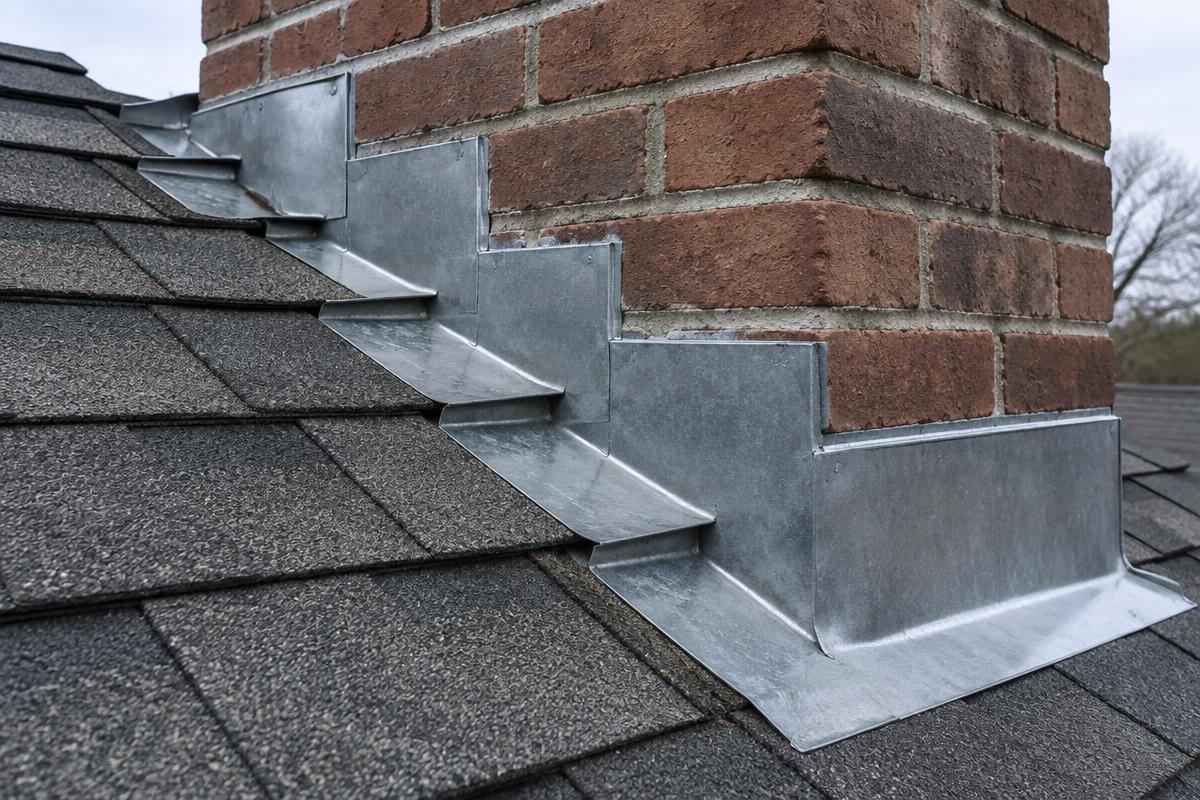
Not all repairs take the same skill or time. Replacing a handful of wind-damaged shingles is different work than re-flashing a chimney, rebuilding a valley, or resealing a skylight. Flashing-heavy repairs generally take longer because the old material has to be removed cleanly and the new metal has to be integrated with the existing shingles.
Hidden damage found once the area is opened
A leak often travels before it shows up as a stain, so the area that needs repair can be larger than what you can see from the ground or even the attic. Sagging decking found once shingles are pulled back has to be replaced before the repair can be finished properly, which is why many quotes include language about what happens if hidden damage appears.
Material tier and matching existing shingles
If your roof uses a common shingle style, matching color and profile is usually simple. Older or discontinued shingle lines can be harder to match exactly, and a close-but-not-identical patch is sometimes the only realistic option. This sourcing time, more than the shingles themselves, can affect scheduling and sometimes price.
Minimum trip charges and small jobs
Because any roof call involves travel, setup, and safety gear regardless of job size, many roofers set a minimum charge that covers a basic visit. Ask about this upfront so a very small fix, like a single loose shingle, is not a surprise compared with what you expected to pay.
Season and repair urgency
An active leak during heavy rain is usually treated differently than a cosmetic issue discovered on a dry day. Emergency calls, especially during storm season or after an emergency roof repair situation, may be scheduled ahead of routine work. Cold weather can also limit how well sealants and shingle adhesive bond, which may affect the repair approach in winter months.
How to read a repair estimate
A trustworthy repair estimate names the specific area being fixed, lists the materials involved, states the minimum charge if one applies, and explains in writing how additional hidden damage would be priced and approved before work continues. Avoid quotes that are vague about scope or that bundle unrelated repairs together without itemizing them.
- Specific location and type of repair
- Materials and approximate matching shingle or flashing style
- Minimum trip or service charge, if any
- How hidden damage would be handled and approved
- Whether the visit includes a broader roof check
Repair now or plan for replacement
Some repairs buy years of life on an otherwise sound roof, while others are a stopgap on a roof nearing the end of its service life. If a roofer repeatedly patches the same area, or if the roof has widespread granule loss and age-related brittleness, it may be worth comparing the repair vs. replace decision rather than continuing to spend on isolated fixes.
Budgeting for a repair without a set price
Since repair costs depend heavily on what is found, a reasonable approach is to ask for the minimum charge, a general range for the type of repair based on similar past jobs, and clear terms for anything discovered once the roofer is on site. Getting more than one opinion for anything beyond a simple, visible fix is a reasonable step before committing.
The repair process from call to completion
A typical repair starts with a phone call describing the issue, followed by an inspection to confirm the cause, a written estimate covering the identified scope, a scheduled visit, the repair itself, cleanup, and in many cases a short walkthrough or photos showing the completed work. Knowing this sequence helps you understand where in the process a price might still be labeled as an estimate rather than a final figure.
Weather and timing for repairs in Central Illinois
Heavy spring rain, summer storms, and freeze-thaw cycles through the winter all put extra stress on vulnerable spots like valleys, flashing, and aging shingles. Scheduling a repair before the next heavy rain or before winter freeze-thaw sets in can prevent a small, inexpensive fix from becoming a larger one later.
Getting photos and documentation
Ask whether the roofer provides before-and-after photos of the repaired area, especially for flashing or decking work that will be covered up by new shingles. Photo documentation is useful if you ever need to show the work history to a future buyer or an insurance adjuster handling a related storm damage claim.
What moves a repair price
| Factor | Why it matters |
|---|---|
| Access and pitch | Steep or high roofs take more setup |
| Type of repair | Pipe boot vs. chimney re-flash vary widely |
| Hidden damage | Soft decking found during repair adds work |
| Material matching | Discontinued shingles take time to source |
| Minimum charge | Most roofers have a base charge per visit |
Common questions
Is there a minimum charge for small repairs?
Many roofers have a minimum trip charge. Ask before the visit so there are no surprises.
Why did my repair cost more once they started?
Soft decking or hidden flashing damage sometimes shows up only after shingles are removed. A good quote explains how that is handled.
Why would a roofer charge more to fix a chimney leak than a missing shingle patch?
Flashing work around a chimney takes more time, more precise metal cutting, and more care integrating with the existing shingles than simply swapping out a few damaged shingles.
Can a repair be done in the rain?
No. Shingles, flashing, and sealants need a dry surface to bond correctly, so repair work is scheduled around the weather whenever possible.
What if the shingle color on my roof is no longer made?
A roofer will try to source the closest match available. In some cases a visible color difference on an older roof is simply unavoidable with a small patch repair.
Is it normal to get charged a visit fee even if the fix is small?
Many roofers apply a minimum service charge that covers travel and setup time, separate from the cost of materials used.
Should I get a second opinion before a repair that found hidden damage?
For anything beyond a small, clearly visible fix, a second look can help confirm the scope and the proposed price are reasonable.
Does an emergency repair cost more than a scheduled one?
Emergency work is often prioritized ahead of routine scheduling, which can affect cost, particularly during active storms when demand is high.
Get a Roof Repair Estimate Started
Describe it in the form and a local roofing partner will help you sort it out.