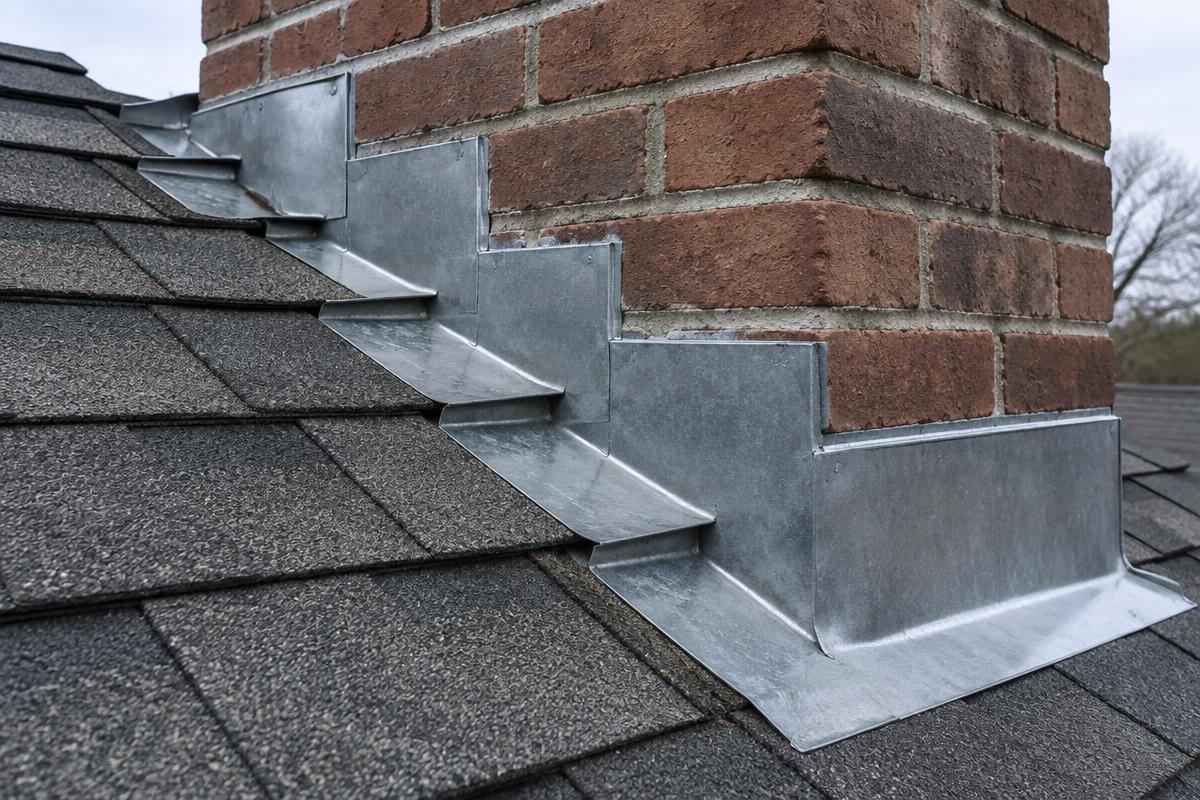
What you will see
Drips at the skylight frame, stains on the shaft walls, or fog between glass panes.
Likely causes
Most cases trace back to one of these:
- Failed flashing kit
- Cracked glass or failed seals
- Condensation from warm, moist room air
How urgent is it?
Moderate. Rot in the curb or shaft grows quietly.
Repair options
Depending on what the inspection finds:
- Re-flash with a proper kit
- Replace the skylight
- Improve room ventilation for condensation
When replacement is the smarter call
Older skylights should be replaced with a new roof.
What an inspection should check
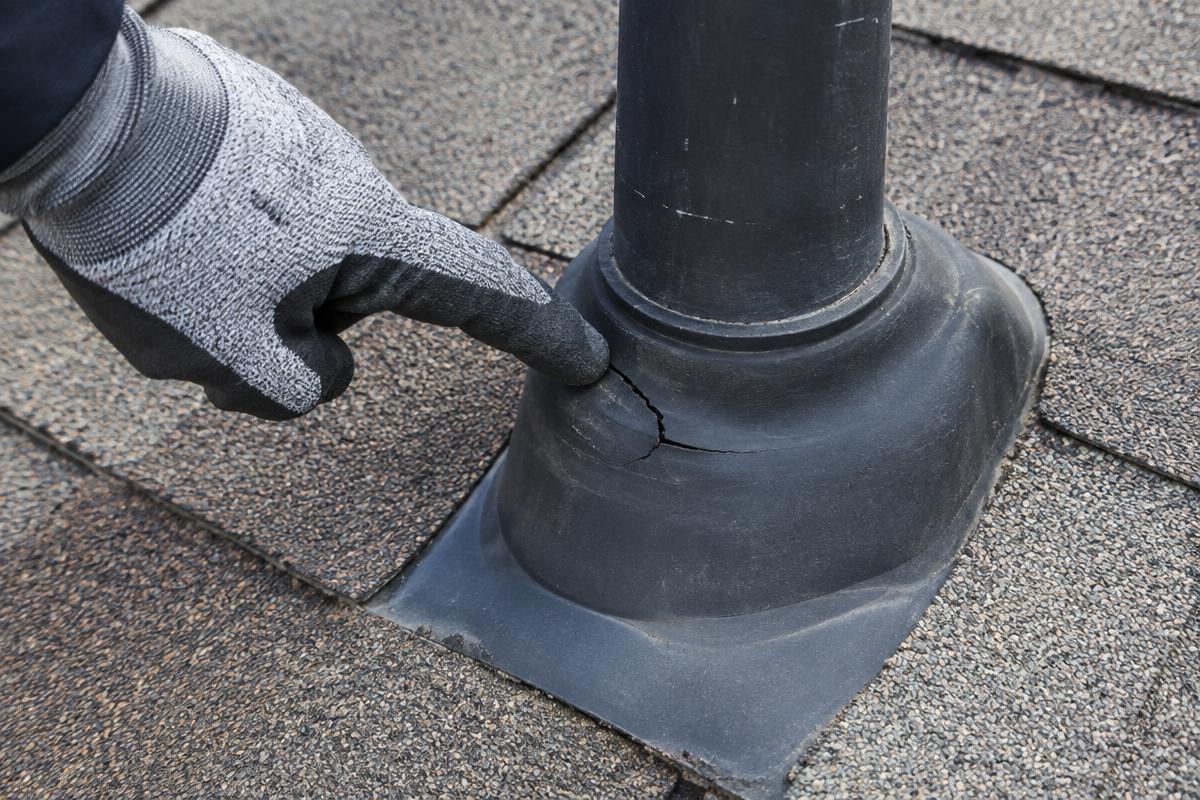
Because a skylight combines roofing, flashing, and a manufactured unit, the inspection needs to look at each piece separately to find the real source. The roofer should check:
- The flashing kit around the skylight curb for gaps, rust, or improper layering
- Seals and gaskets on the skylight glass or dome for cracking or separation
- The curb itself for rot or settling that could be pulling flashing apart
- Condensation patterns versus active leak patterns inside the shaft
- Shingles or roofing material around the skylight for granule loss or lifted edges
- Attic or shaft insulation for dampness that points to a specific entry point
Temporary fix vs. permanent repair
A temporary seal over an obvious flashing gap can slow water entry until a proper fix is scheduled, but it will not hold up through repeated rain and temperature swings. The permanent fix depends on the cause: a failed flashing kit gets re-flashed with new materials, while a cracked unit or failed seal inside the skylight itself usually means replacing the skylight. Patching an aging skylight repeatedly often costs more over time than addressing it directly, which is worth weighing against roof repair options during the same visit.
What happens if you wait
A leaking skylight can quietly damage the shaft walls and ceiling drywall around it, and moisture trapped in that confined space can encourage mold growth faster than a leak on an open attic deck would. If the curb itself starts to rot from sustained moisture, the whole flashing system can shift further out of alignment, turning a flashing repair into a more involved rebuild of the opening.
What to do today
Note whether the moisture appears only during or right after rain, which points to a leak, or on cold mornings without rain, which usually points to condensation. Wipe up any moisture at the base of the shaft and check for a musty smell that could indicate ongoing dampness. Avoid attempting to access the skylight from the roof yourself. If it is an active leak during a storm, a towel or container to catch drips indoors is a reasonable stopgap until the roofer can get there.
What drives the cost of this repair
Cost depends on whether the fix is a re-flash or a full skylight replacement, the size and type of the skylight, roof pitch and access, and whether the curb or surrounding decking needs repair. Re-flashing an otherwise sound skylight generally costs less than replacing the unit itself. The roof repair cost guide gives general context, and asking about roofing warranties is worthwhile if the skylight or flashing is still within a manufacturer's coverage period.
How to describe it to the roofer
Describe exactly when the moisture appears, during rain, after rain, or on cold mornings, since that distinction between a leak and condensation changes the whole approach. Mention the skylight's approximate age and whether it has ever been serviced before. If you can see fogging between glass panes, mention that too, since it usually points to a failed seal inside the unit itself rather than a flashing problem.
Seasonal stress on skylights in Decatur
Temperature swings between warm days and cold nights common in Central Illinois can cause condensation inside skylight shafts, which homeowners sometimes mistake for a leak. Winter freeze-thaw cycles can also work flashing loose around the curb over several seasons. If you are unsure which is happening, a roof inspection that includes the skylight area can settle the question before you spend money on the wrong fix.
A worked decision example
Consider a homeowner who notices water staining around a shaft only after heavy wind-driven rain, with no moisture on calm rainy days. During the visit, the roofer finds the flashing kit intact but notices the skylight's rubber gasket has hardened and cracked from years of sun exposure, allowing water in only when wind pushes rain sideways against the glass. Because the flashing itself is sound, the roofer recommends replacing the seal rather than re-flashing the whole curb, a smaller job than the homeowner initially expected. This kind of targeted diagnosis is why pinpointing when and how the moisture appears matters so much before any repair decision is made.
Timing a skylight repair around the seasons
Spring and fall tend to be the most practical windows for skylight flashing work in Central Illinois, since extreme summer heat can affect sealant cure times and winter cold makes materials brittle and harder to work with safely. If a leak shows up mid-winter, a temporary measure to manage the water is often more realistic than a full re-flash until conditions improve, though an active leak should still be reported and assessed promptly rather than left until a preferred season arrives. Keeping an eye on ceiling water stains near the skylight through the winter can help you judge whether the issue is getting worse before warmer weather allows full repair work. Scheduling around the season also gives the roofer time to order a replacement unit if the glass or dome itself needs swapping, since specialty sizes are not always kept in stock and a rushed mid-winter order can add delay to an already uncomfortable wait.
Common questions
How do I know it is condensation?
Condensation shows up on cold days without rain. Leaks show up during rain.
Why does my skylight only fog up on cold mornings?
That pattern usually points to condensation from warm indoor air meeting the cold glass, not an active leak.
Can a cracked skylight dome be repaired instead of replaced?
Minor cosmetic cracks are sometimes manageable, but cracks affecting the seal or structure usually call for replacement.
How long do skylights typically last before they need replacing?
It varies by product and installation quality, but seals and flashing both wear over time and eventually need attention.
Is condensation inside my skylight shaft a roofing issue?
Not directly. It is usually a ventilation or humidity issue inside the home rather than a problem with the roof or flashing.
Does a leaking skylight always mean I need a new one?
No. Many skylight leaks come from failed flashing around the unit, which can be repaired without replacing the skylight itself.
Will skylight replacement disturb the surrounding shingles?
Yes, the roofer typically removes and replaces shingles immediately around the opening as part of the flashing work.
Is it better to repair a skylight in spring or wait until summer?
Spring and fall generally offer milder conditions for flashing and sealant work than peak summer heat or winter cold.
Can a skylight leak be mistaken for an attic ventilation problem?
Yes, condensation from poor attic ventilation can mimic a leak near a skylight shaft, which is one reason a full inspection helps sort out the actual cause.
Talk About Your Skylight Leak
Describe it in the form and a local roofing partner will help you sort it out.