Where leaks usually start
In order of how often they show up:
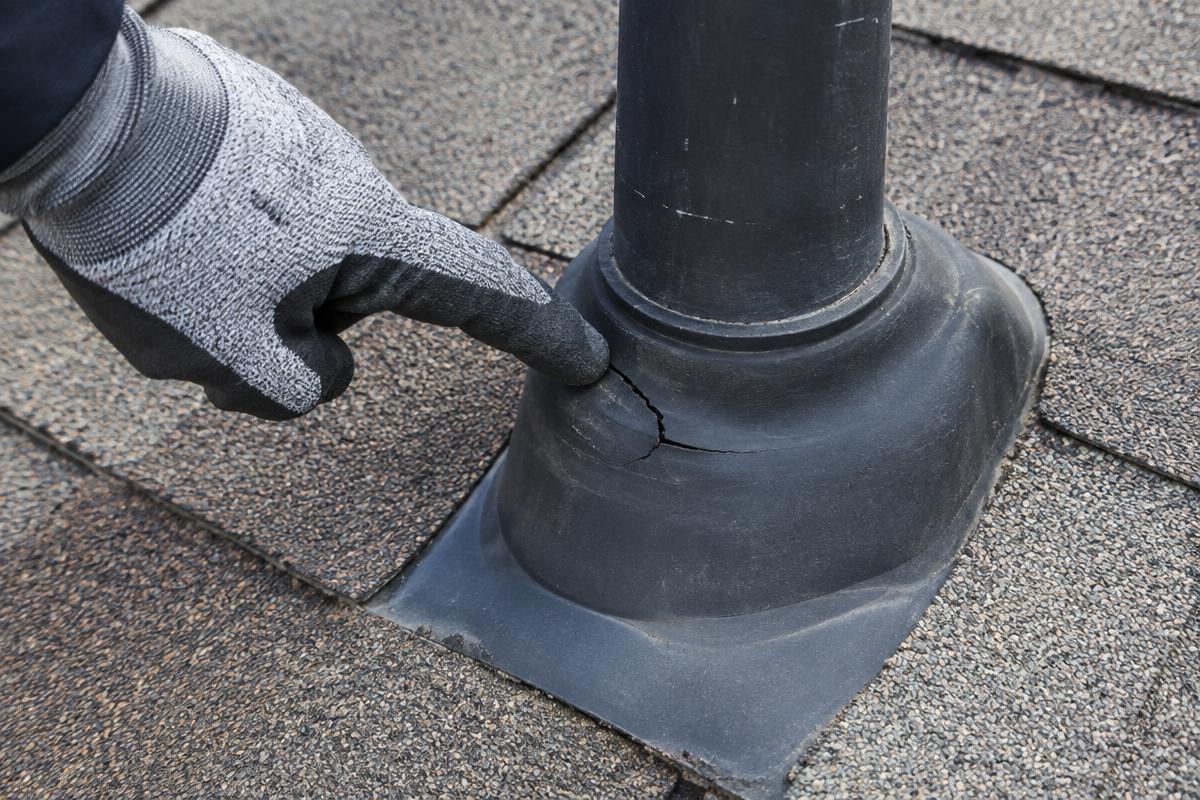
- Pipe boots with cracked rubber collars
- Chimney flashing and counter-flashing
- Valleys where two slopes meet
- Skylight curbs and seals
- Exposed nails and nail pops
- Ridge vents in wind-driven rain
How a leak is traced
A good inspection checks the attic for wet wood and stains, then matches that path to the roof above. Sometimes a controlled water test is used to confirm the source.
How a leak repair visit typically goes
After you describe the leak and its location, a roofer inspects the attic and roof surface, traces the likely path of the water, explains the findings, offers repair options, and provides a written estimate before scheduling the fix.
- Contact: tell them where the stain or drip appears and when it happens
- Inspection: attic, decking, and roof surface are checked together
- Tracing: the entry point is matched to the interior symptom
- Findings and options presented in plain language
- Estimate and scheduling for the repair
- Repair, cleanup, and a walkthrough of what was fixed
Common entry points not yet covered
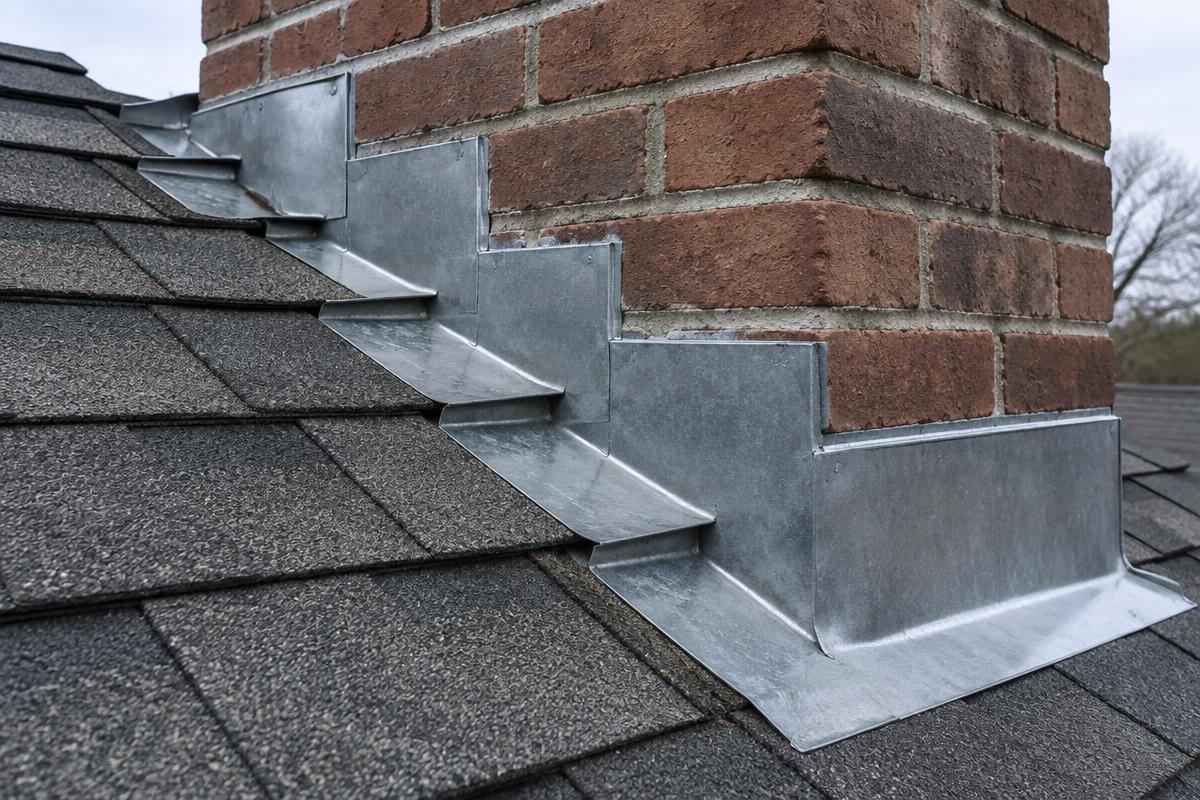
Beyond pipe boots, flashing, and valleys, a few other spots cause recurring trouble. Ridge vent leaks often show up only in wind-driven rain. Sagging roof decking can both cause and result from a long-running leak, since wet wood loses strength over time. Skylight leaks frequently come from a failed seal at the curb rather than the glass itself.
What drives the cost of a leak repair
Leak repairs vary widely in price because the fix depends entirely on the cause. A resealed pipe boot is a small job. A leak traced through rotted decking under several courses of shingles is larger. See roof repair cost for a general breakdown of what shapes repair pricing.
Why some leaks are hard to find
Water does not always drip straight down. It can travel along rafters, sheathing, or insulation before it shows up as a stain, sometimes appearing several feet from the actual entry point. Intermittent leaks that only show up in certain wind directions or heavy storms are especially tricky, which is one reason a controlled water test is sometimes used to confirm a suspected source.
Interior signs worth tracking
Before your inspection, note these details if you can, since they help narrow down the source:
- Exact location of the stain relative to interior walls and the roofline above
- Whether the leak appears only during wind-driven rain or in any rain
- Whether the stain is growing, static, or appearing in a new spot
- Any musty smell, which can point to longer-term moisture
- Whether the leak started after a specific storm or gradually
What happens if a leak goes unaddressed
A slow leak rarely announces itself loudly. Left alone, it can lead to ceiling water stains that spread, weakened decking, and eventually mold growth in insulation and framing. What starts as a repair measured in a single area can grow into a larger rebuild of the affected roof section.
When a leak signals a bigger problem
A leak that keeps returning after repairs, or that appears in multiple rooms, can be a sign the roof has more widespread issues than one bad flashing joint. In that case, it is worth discussing whether a full roof replacement makes more sense than repeated patching.
A worked example: a leak that moved rooms
A homeowner notices a stain in the hallway ceiling, has it patched, and a year later finds a new stain in an adjoining bedroom. On inspection, the original flashing fix held, but a nearby valley leak had been developing the whole time, with water traveling along the same rafter line before showing up in a different spot. This is why a thorough leak inspection checks the whole roof plane, not just the exact point above the original stain.
What good leak diagnosis looks like
A careful roofer traces water rather than guessing from the interior stain location alone. That usually means checking the attic from below, following rafters and insulation for moisture trails, and inspecting likely exterior causes like flashing, valleys, and penetrations uphill from the stain. A rushed diagnosis that reseals the nearest visible gap without this tracing step risks missing the actual source.
- Good: attic checked from below with a flashlight for moisture trails
- Good: the fix targets the traced entry point, not just the nearest flashing
- Poor: a tube of caulk applied to the first visible gap without tracing
- Poor: no attic check at all before quoting the repair
Homeowner checklist for a suspected leak
Before calling for an inspection, a little documentation helps:
- Photograph the stain and note the date it first appeared
- Check the attic directly above the stain with a flashlight if it is safe to do so
- Note whether the leak coincides with wind direction or storm intensity
- Check nearby penetrations from the ground: vents, chimneys, skylights
- Keep a simple log if the leak is intermittent, noting each occurrence
Seasonal leak patterns in central Illinois
Winter freeze-thaw cycles often reveal leaks that stayed hidden the rest of the year, since ice can work into small gaps and then melt into the house. Spring wind-driven rain exposes flashing and valley weaknesses. Summer thunderstorms test drainage and can overwhelm a marginal valley or gutter system quickly. Keeping this pattern in mind can help explain why a leak seems to appear only at certain times of year.
Maintenance after a leak repair
Once the leak is fixed, a quick seasonal check helps catch any recurrence early: look at the repaired area after the first few significant rains, keep gutters and downspouts clear so water does not back up near flashing, and watch for any new staining in the same general area. If the leak was connected to a chimney flashing or valley, that specific joint deserves extra attention during future inspections.
Common questions
Why does my roof only leak in some storms?
Wind direction matters. A gap that stays dry in straight-down rain can leak when wind pushes water sideways.
Is caulk a real fix?
Caulk can buy time, but it dries and cracks in Illinois sun and cold. Lasting repairs replace the failed part.
My roof only leaks during heavy wind. Why?
Wind can drive rain sideways and under flashing or shingle edges that stay dry in a calm, straight-down rain, which is why some leaks seem to come and go.
Can a leak be fixed without removing shingles?
Occasionally, if the entry point is accessible from the attic side or through a vent or flashing piece. Most leak fixes still involve working on the roof surface.
How long does it take to trace a hard-to-find leak?
It depends on the roof's complexity. Straightforward cases are found quickly, while intermittent leaks may take a return visit during the right weather conditions.
Will repairing the leak fix the stain on my ceiling?
The repair stops new water from entering. The existing stain usually needs separate interior repair and repainting.
Is a water test safe for my roof?
A controlled water test applied carefully to a small section is a standard diagnostic tool and should not cause additional damage when done correctly.
Can mold from a leak be a hidden problem?
Yes. Moisture trapped in insulation or framing behind a wall or ceiling is not always visible, which is why a musty smell is worth mentioning during your inspection.
Why did my leak stain reappear after it dried out?
A dry-looking stain does not mean the source is fixed. If the repair did not address the actual entry point, the stain can darken again the next time it rains.
Can a leak repair be scheduled around a single weekend?
Most individual leak repairs are completed in a single visit once the cause is identified, though scheduling depends on weather and the roofer's availability.
Does leak repair require matching shingle color exactly?
For a small, localized fix it helps but is not always possible with older or discontinued shingles, which is worth discussing before work starts.
What if the leak is coming from a vent pipe rather than shingles?
A failed pipe boot seal is one of the more common and straightforward leak sources, often resolved by replacing the boot itself rather than larger roof work.
Should I check my attic insulation after a leak is fixed?
Yes, insulation that stayed wet for a while can lose effectiveness or develop odor, and it is worth a look once the roof repair is complete.
Talk About Your Roof Leak
Describe it in the form and a local roofing partner will help you sort it out.