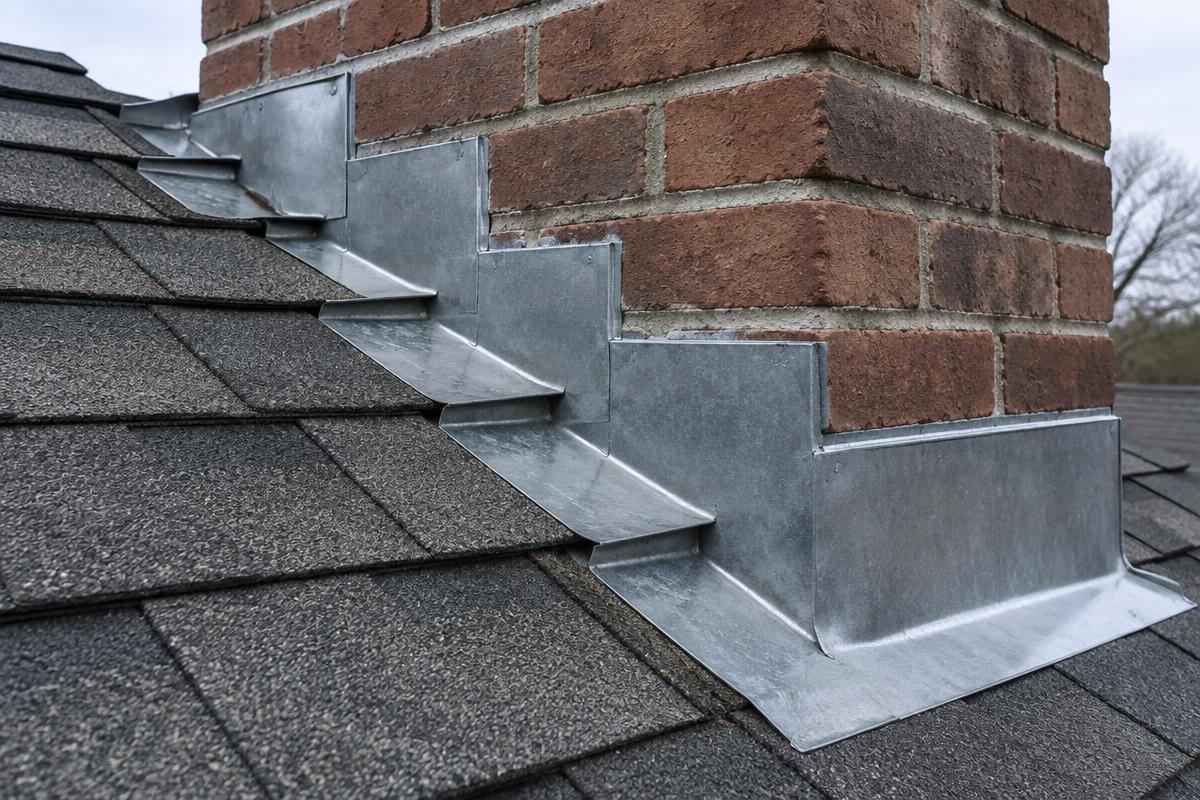
What you will see
Drips or wet spots near the peak inside the attic, often only during windy storms.
Likely causes
Most cases trace back to one of these:
- Vent without an external baffle
- Cut slot too wide
- Loose or cracked ridge caps
- Nails backing out
How urgent is it?
Moderate. Usually small amounts, but repeated wetting stains ceilings and rots ridge boards.
Repair options
Depending on what the inspection finds:
- Replace with a baffled, filtered vent
- Re-cut slot correctly
- Re-nail and replace caps
When replacement is the smarter call
Ridge vents are easiest to upgrade during a replacement.
What an inspection should check
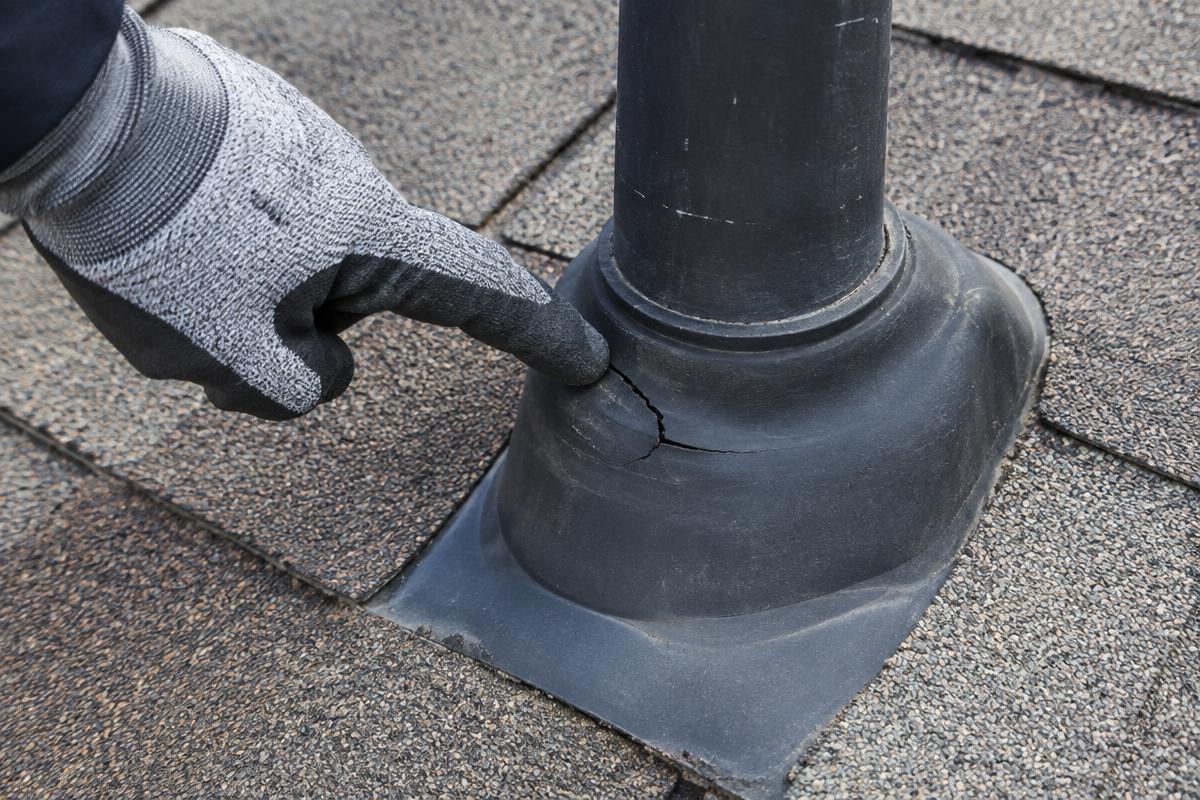
Because ridge vent leaks usually only show up in wind-driven storms, an inspection has to look at both the hardware and the installation details, not just confirm a vent is present. A careful look typically includes:
- Whether the vent has an external wind baffle or filter strip designed to block driving rain and snow
- Width of the cut slot along the ridge, since an oversized cut lets in more wind and water than the vent can shed
- Condition and fastening of ridge cap shingles over the vent
- Nail backing or exposed fasteners along the ridge line
- Attic sheathing near the ridge for staining or soft spots from repeated small leaks
Temporary fix vs. permanent repair
Re-nailing a loose ridge cap or re-sealing a cracked cap shingle can reduce leaking for a season, but if the underlying vent product lacks a wind baffle, blowing rain and powder snow will keep finding a way in during the next strong storm. The permanent fix is usually swapping in a baffled, filtered ridge vent built for wind-driven weather, which is often done efficiently during a roof replacement since the ridge is already open.
What happens if you wait
Ridge vent leaks tend to be small per event but frequent, since they often activate only during windy storms rather than every rain. Over multiple seasons, that repeated light wetting stains ceilings near the peak and can rot the ridge board and nearby sheathing, making a simple vent swap turn into a structural repair. Waiting also means the attic insulation under the ridge keeps getting damp, which reduces its effectiveness.
What to do today
Note whether leaking happens specifically during windy storms, and check the attic near the peak for dampness after the next one. From the ground, look at the ridge line for cracked or lifted cap shingles. Do not remove the ridge vent yourself; the attic still needs that ventilation, and removing it without a replacement plan can create a bigger moisture problem than the leak itself.
Cost drivers to expect
What a ridge vent repair costs depends on scope more than the vent product itself. Key factors include:
- Whether only the vent needs replacing or the ridge caps and nearby shingles do too
- Length of ridge line being replaced
- Roof pitch and overall height, which affect access along the peak
- Whether sheathing near the ridge needs repair from past moisture damage
How to describe it to the roofer
Tell the roofer whether the leak only happens in windy storms or every time it rains, and roughly where along the ridge the attic staining shows up. Mention if you can see the vent product from the ground (a low profile strip versus a raised box style), since that helps them anticipate whether a baffle is missing.
Central Illinois conditions that affect ridge vents
Open farmland and flat terrain around Decatur mean wind can hit rooflines at high speed with little to block it, which is exactly the condition that exposes a ridge vent without a wind baffle. Winter adds powder snow that can blow sideways into an open slot the same way rain does. Homes dealing with both ridge vent leaks and wind damaged shingles after the same storm often have a broader wind exposure issue worth reviewing with a storm roof inspection.
Maintenance after the ridge vent is replaced
A new baffled ridge vent still benefits from an occasional look, especially after a particularly windy storm season. Check the attic near the ridge after the first few strong wind events to confirm the fix is holding, and keep attic insulation clear of the ridge vent's intake slots so airflow is not blocked. Good attic ventilation does more than prevent leaks; it also helps manage summer heat buildup and reduces the chance of ice damming in winter, so this is a good area to fold into general roof inspection visits.
Questions worth asking before you approve the repair
A short list to run through with the roofer:
- Does the replacement vent include an external wind baffle rated for wind-driven rain and snow?
- Will the ridge cap shingles be replaced too, or just the vent underneath?
- Is the cut slot width being corrected if it was too wide originally?
- Will attic insulation be checked or adjusted near the ridge during the work?
- How will this vent differ from what is failing now in terms of wind protection?
Seasonal timing for ridge vent work
Ridge vent problems often surface after a windy storm, which makes fall, ahead of winter's harsher wind and snow, a practical time to address a known issue. Summer thunderstorm season in Central Illinois brings its own wind gusts that can expose a weak ridge vent, so a repair scheduled before storm season picks up can avoid a repeat leak during that stretch.
Common questions
Should I remove my ridge vent?
No. Fix it. The attic still needs ventilation.
How do I know if my ridge vent has a wind baffle?
Baffled vents usually have a raised external shield or baffle strip along the vent; a flat, low-profile ridge vent with no visible shield is more likely to lack one.
Can a ridge vent leak even if it is brand new?
Yes, if the slot was cut too wide or the product itself is not rated for wind-driven rain in an open, windy area.
Is it normal for a ridge vent to leak only in winter?
It can happen if powder snow blows into the vent during windy winter storms, which behaves differently than rain.
Will closing off the ridge vent stop the leak for good?
It may stop the leak but can create moisture and ice dam problems from poor attic ventilation, so it is not a real fix.
Can I replace just a section of ridge vent instead of the whole ridge?
Sometimes, if the rest of the ridge vent and caps are in good shape, but matching products and maintaining consistent airflow can limit that option.
Does every roof need a ridge vent?
Not every roof design uses a ridge vent, but on roofs that have one, it typically works with soffit vents as part of the attic's intended airflow system.
Can poor attic insulation make a ridge vent leak worse?
Insulation blocking the vent's airflow path will not cause the leak itself, but it can trap moisture near the ridge once water gets in, making damage worse.
Talk About Your Ridge Vent Leak
Describe it in the form and a local roofing partner will help you sort it out.