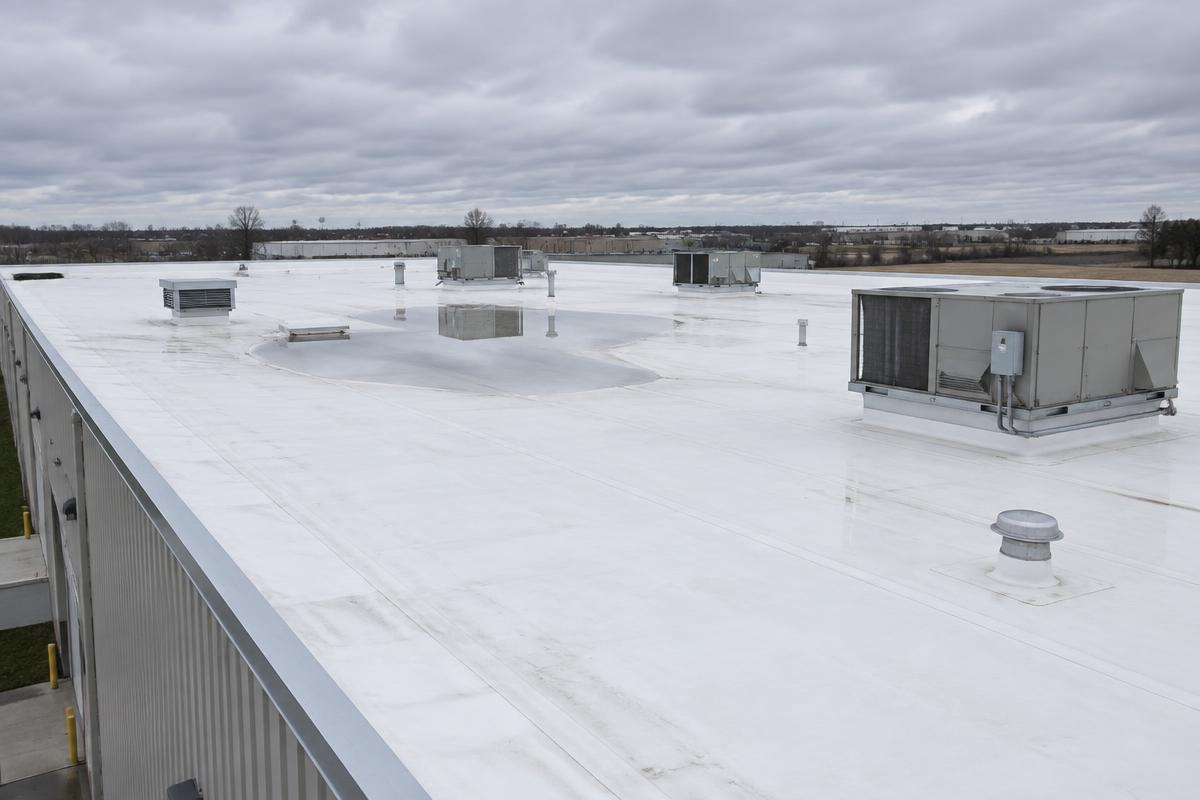
Common commercial systems
Each has different repair methods:
- TPO single-ply membrane
- EPDM rubber membrane
- Modified bitumen
- Metal roofs with exposed or concealed fasteners
- Roof coatings over sound existing roofs
Where commercial leaks start
HVAC curbs, open seams, clogged drains and scuppers, and punctures from foot traffic cause most commercial leaks.
What a commercial roofing program covers
Commercial roofing is broader than fixing a single leak. It covers the full life of a low-slope or metal roof system on a business, from choosing the right membrane for a new building to keeping an older roof watertight for as long as it makes financial sense. A property manager or owner typically needs three things from a roofing partner: a clear read on current roof condition, a plan for near-term repairs, and a longer view on when replacement will be the better spend.
- New roof system selection for new construction or a full tear-off
- Scheduled inspections and preventive maintenance
- Section repairs tied to specific problem areas
- Coatings or restoration work on roofs that still have service life left
- Planning and budgeting for an eventual commercial roof repair or replacement
Choosing a system for a new or re-roofed building
When a building is new or getting a full replacement, the system choice shapes maintenance costs for the next 15 to 30 years. TPO roofing is common for its welded seams and reflective surface. EPDM roofing has a long track record on low-slope buildings and is often chosen for cost and simplicity. Modified bitumen suits smaller commercial and mixed-use roofs, and metal panel systems work well on buildings where slope allows it. The right pick depends on the roof's slope, the building's use, rooftop equipment load, and budget, not on a single system being universally best.
What a commercial roof inspection actually checks
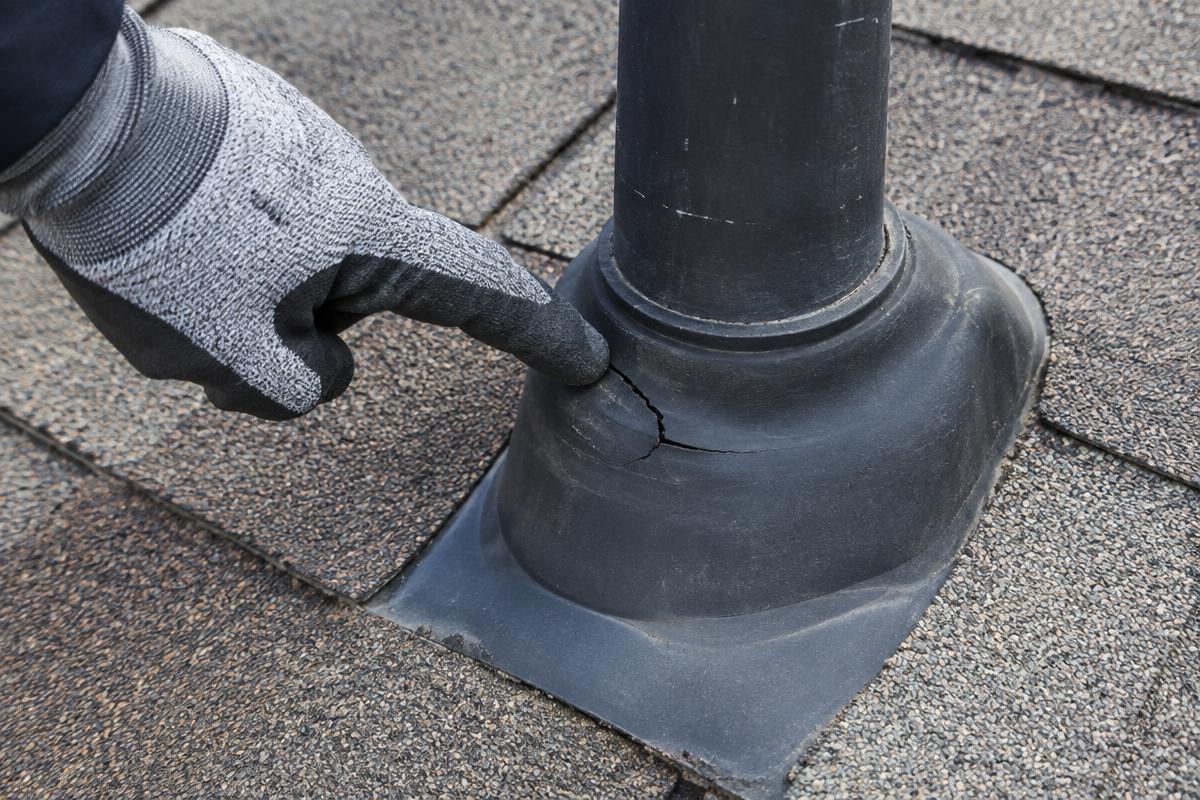
A thorough inspection looks past the visible surface of the membrane.
- Seam condition across the field of the roof, not just near the edges
- Flashing at curbs, parapets, and wall terminations
- Drain and scupper function, including slope toward them
- Signs of trapped moisture under the membrane
- Condition of rooftop equipment supports and walk pads
- Interior ceiling tiles and insulation near past leak points
How a roofing visit usually proceeds
Most commercial roofing work follows a similar sequence. Contact is made and the scope of the building and concern is discussed, then an inspection is scheduled to walk the full roof and document findings with photos. The findings are reviewed with the owner or manager, options are laid out from patch repair to partial replacement, and a written estimate follows. Once a decision is made, work is scheduled around the building's operating hours, the work itself is completed in stages where needed, and a walkthrough confirms the scope was met before cleanup wraps up the visit.
Cost drivers on commercial roofs
Several factors push commercial roofing costs up or down, though exact pricing should come from a site visit rather than a general guide.
- Total roof square footage and number of levels or sections
- Access, including parapet height and whether a crane or hoist is needed
- Amount of rooftop equipment that must be worked around
- Condition of the insulation and decking underneath
- Membrane type and thickness selected
- Whether the work happens during business hours or after
Maintenance that extends roof life
A low-slope roof rarely fails all at once. Small issues compound: a split seam lets in a little water, that water softens insulation, and the softened insulation spreads the problem further with each rain. Regular maintenance visits that clear drains, reseal minor seam gaps, and check curb flashing catch these issues while they are still inexpensive to fix. Buildings that skip maintenance for several years often end up needing a commercial roof repair that could have stayed minor.
Central Illinois conditions that affect commercial roofs
Decatur-area commercial roofs deal with the same swings residential roofs do, just over a larger surface. Summer heat cycles expand and contract membrane seams, winter freeze and thaw works at any trapped moisture, strong spring storms test flashing and drains, and hail can bruise membrane or dent metal panels without an obvious hole. A roof that handles one of these stresses well can still show wear after a few years of all of them together, which is part of why a yearly or twice-yearly look helps.
Comparing metal and membrane for commercial buildings
Some commercial buildings use metal roofing instead of a membrane, especially where slope allows it or where the look matters to the business. Metal roofing sheds water differently than a flat membrane and has its own maintenance pattern, mainly around fasteners and panel seams rather than membrane seams and drains. A roofing partner can walk through whether a metal retrofit or a membrane replacement fits a specific building better.
Working with multiple tenants or building users
Multi-tenant buildings add a layer of coordination to commercial roofing work. Scheduling often needs to account for several businesses' hours rather than one, and leak tracing can be harder when water travels across a shared roof deck before showing up in a specific unit. A clear line of communication between the property manager, tenants, and the roofing partner keeps everyone informed about timing and what to expect during the visit, especially if any noise or limited roof access is involved during repairs.
Documentation that helps long-term roof management
Keeping records of past inspections, repairs, and the original roof installation date helps with every future decision on the building. A roofer can use that history to spot patterns, like the same area needing repeated attention, and to give a more informed opinion on remaining service life. If records are incomplete, mentioning that upfront lets the inspection focus on filling in the gaps rather than assuming information that is not actually known.
When to repair versus plan a replacement
Not every issue calls for a new roof. If leaks are isolated, insulation is mostly dry, and the membrane is still flexible, targeted repair is usually the right call. If leaks keep appearing in new spots, insulation is wet across a large area, or the membrane is cracking and shrinking at the edges, it is often time to start budgeting for replacement rather than chasing repairs. Getting both a repair estimate and a replacement estimate in writing makes that comparison easier.
Common questions
Can work be done while we stay open?
Usually yes. Most repairs and many replacements are staged so the building stays in use.
Does a commercial roof need a different inspection schedule than a house?
Many commercial roofs benefit from inspections at least twice a year, plus a check after any major storm, since larger membranes and more rooftop equipment create more points that can fail.
Can a new membrane go over an old one?
Sometimes, if the existing roof is dry and structurally sound. A roofer checks moisture content and local code before recommending a recover instead of a full tear-off.
Who is responsible for roof maintenance in a leased building?
That depends on the lease terms between owner and tenant. Checking the lease language is a good first step before scheduling work.
How long does a commercial roof replacement take?
It varies widely with roof size, access, and weather. A written estimate should include an expected time frame for your specific building.
Can rooftop solar or HVAC be installed without affecting the roof warranty?
Work done on the roof surface, including new curbs or supports, should be coordinated with the roofing manufacturer's requirements so it does not void coverage.
Is a roof coating a good alternative to replacement?
On a membrane that is still sound but aging, a coating can extend service life. It is not a fix for wet insulation or failing seams underneath.
Commercial Roof Evaluation in Decatur
Describe it in the form and a local roofing partner will help you sort it out.