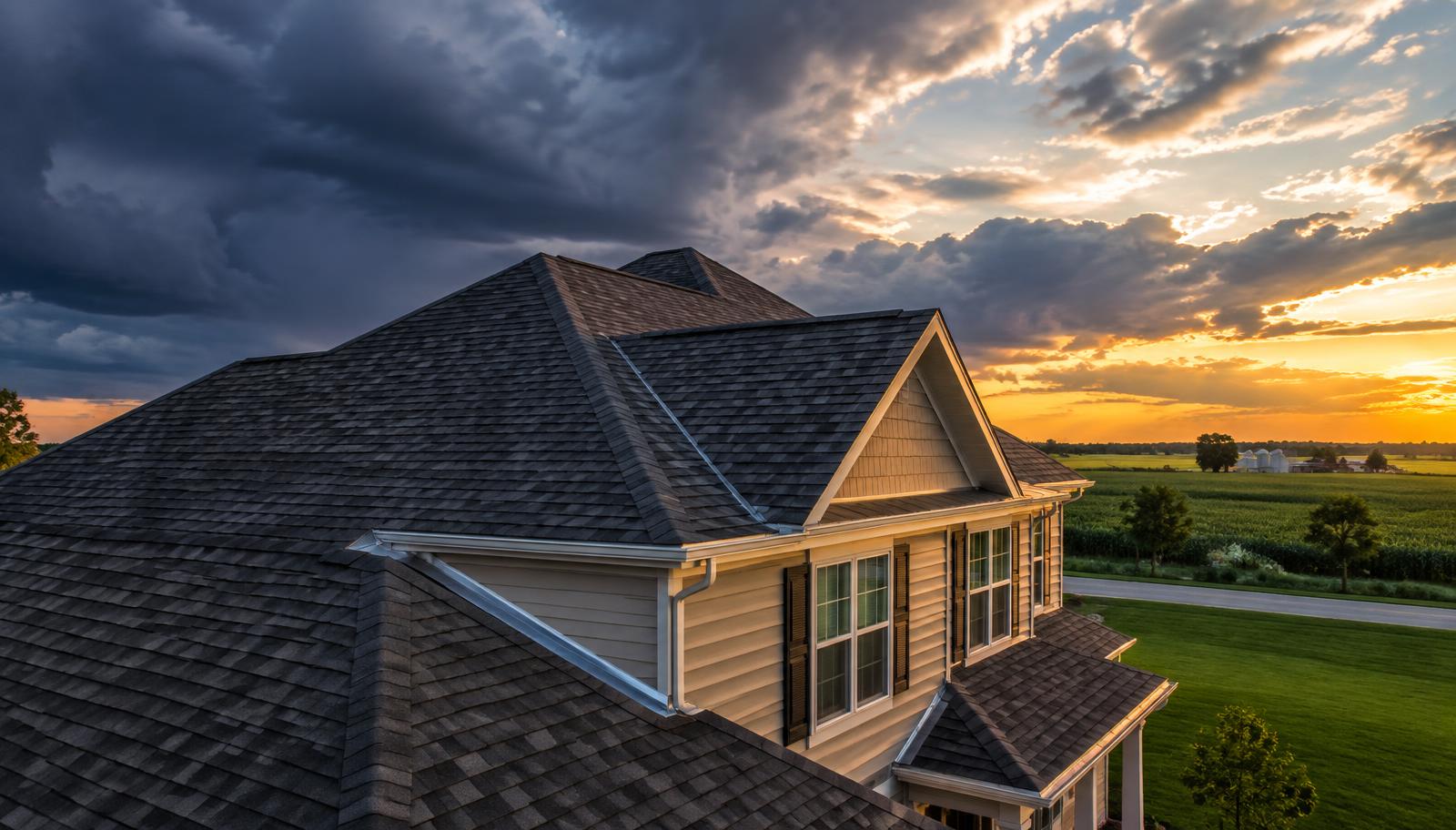
Older homes along the highway corridor
Many Macon homes are older, with chimneys, add-on porches, and roofs that may have more than one layer of shingles. Each add-on joint is a spot to check for leaks.
Storms rolling up from the south
Spring storms often cross open farmland before reaching town. Wind-lifted shingles and dented gutters are common things to look at afterward.
Getting help from Macon
Requests from Macon go to the local roofing partner that serves the Decatur area. Put your ZIP in the form so it routes right.
What temperature swings do to a roof over time
Central Illinois moves between hot, humid summers and cold winters, and that swing puts steady stress on roofing materials in Macon year after year. Shingles expand and contract with heat and cold, nails can work loose as decking shrinks and swells, and sealants age faster when they are repeatedly stretched and compressed by temperature change rather than staying at a steady temperature.
Why attic ventilation matters more than it seems
A poorly ventilated attic traps summer heat against the underside of the roof deck, which can accelerate shingle aging from below even if the top side still looks fine. In winter, the same poor airflow can trap moisture that condenses on cold decking, contributing to mold or rot over time. Balanced intake and exhaust ventilation helps even out these swings across the seasons.
Signs ventilation may be a problem
A few clues can point to airflow issues before they become a bigger repair.
- An attic that feels noticeably hotter than expected in summer
- Frost or condensation on the underside of the roof deck in winter
- Shingles that appear to be aging unevenly across similar slopes
- Ice buildup at the eaves even during moderate snow
- A musty smell in the attic without an obvious active leak
How a roofer evaluates ventilation
During a roof inspection, a roofer can check whether a home has enough intake at the soffits and exhaust near the ridge, and whether those vents are actually clear and functioning rather than blocked by insulation or paint. This is often reviewed alongside the condition of asphalt shingle roofing since shingle warranties can depend on adequate attic airflow.
Temperature swings and the materials underneath the shingles
Underlayment and flashing sealants also respond to repeated heating and cooling. Flexible, newer materials tend to handle these cycles better than older, drier products that can crack after years of expansion and contraction. If a roof is due for a roof replacement, upgrading underlayment and ventilation at the same time addresses the cause of accelerated wear, not just the surface shingles.
What this means for a roof already showing wear
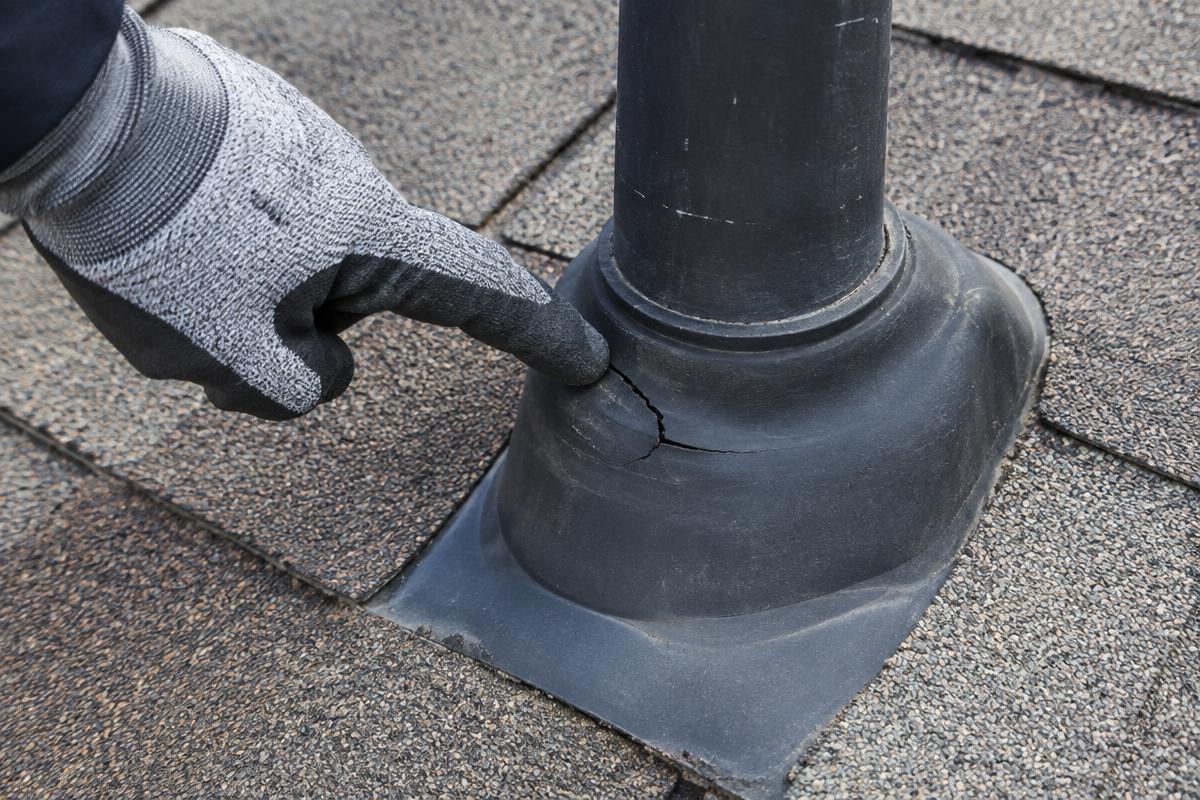
If a Macon roof is aging faster than its calendar age would suggest, poor ventilation or repeated temperature stress is often part of the explanation, alongside sun exposure and storm history. An inspection that looks at the attic, not just the shingles from a ladder, gives a more complete picture of why a roof is wearing the way it is.
A worked example: a roof that ages faster than its years
Picture a 12-year-old roof in Macon with shingles that already look like they belong on a 20-year-old roof, uneven wear between slopes, and a noticeably warm attic in summer. That mismatch between age and condition usually points to a ventilation problem rather than a shingle defect. Fixing airflow at that point can slow further wear, though it will not undo damage that has already happened to the shingles themselves.
What good ventilation work looks like versus poor work
A properly balanced system matches intake at the soffits with exhaust at the ridge or near the roof peak, sized appropriately for the attic's square footage, with nothing blocking airflow like stacked insulation at the eaves. Poor work adds exhaust vents without adding intake, which can pull conditioned air from the house instead of the soffits, or installs vents that look correct but are blocked by paint or debris.
Mistakes to avoid with ventilation and temperature stress
Common mistakes include assuming a hot attic is normal for central Illinois summers and ignoring it, adding insulation without checking that soffit vents remain clear, and waiting until a reroof to address ventilation even though many upgrades can be done on their own. Each of these can let avoidable wear continue for years.
Maintenance habits that help a Macon roof handle temperature swings
Checking attic temperature and smell occasionally during peak summer heat, keeping soffit vents clear of insulation or debris, and having the roof looked at after an unusually hot or cold stretch can catch ventilation-related wear before it becomes a bigger repair.
Common questions
My roof has two layers. Can it be repaired?
Often yes, but extra layers can hide soft decking. A roofer can tell you if a tear-off makes more sense.
Can poor attic ventilation shorten my Macon roof's life even without leaks?
Yes. Trapped heat and moisture can age shingles and decking from underneath even when the roof surface looks fine from the outside.
How do I know if my attic has enough ventilation?
A roofer can check whether soffit intake and ridge or roof exhaust vents are present, clear, and balanced for your attic's size.
Does adding ventilation void my shingle warranty?
Generally no, and many manufacturers actually require adequate ventilation as a condition of the warranty. Check your specific warranty terms.
Can temperature swings alone cause a roof leak?
Not usually on their own, but repeated expansion and contraction can crack aging sealants and loosen nails, which can lead to a leak over time.
Is it worth upgrading ventilation during a roof replacement?
Many homeowners choose to address ventilation at the same time as a replacement since the roof deck is already exposed.
Can a roof age unevenly even on a simple rectangular house?
Yes, sun exposure differs by slope regardless of roof shape, so south- and west-facing sections often show more wear than shaded sides.
How can I check my own soffit vents are not blocked?
A visual check from the attic, looking for insulation piled against the soffit opening, can often reveal a blockage, though a roofer can confirm proper airflow.
Does a hotter-than-normal attic always mean a ventilation problem?
Not always, but it is one of the more common causes, along with dark roofing materials and strong afternoon sun exposure, so it is worth having checked if it seems unusual.
Talk About Ventilation and Roof Wear in Macon
Describe it in the form and a local roofing partner will help you sort it out.